A Proper English Breakfast: London’s Fry-Up Story
From Victorian breakfast tables to greasy spoons and modern restaurants — the history, culture and places behind Britain’s most iconic morning meal.
Contents
The Full English breakfast is much more than bacon, eggs and beans. It is a small history of Britain served on one plate: country-house breakfasts of the Victorian era, working-class cafés, Italian and Greek Cypriot immigrant businesses, post-war London, greasy spoons, fashionable restaurants and today's modern interpretations of British food. The meal took shape gradually rather than appearing as one fixed recipe. Elaborate cooked breakfasts became especially prominent in wealthy Victorian and Edwardian households, where bacon, eggs, sausages, kidneys, fish, mushrooms, toast and other dishes could fill an entire table. As industrial Britain changed, simpler versions moved into cafés and became accessible to workers, eventually creating the familiar fry-up culture associated with London. Even the name "Full English" was not originally fixed to today's exact ingredients.
London Breakfast Spots Map
To help you plan your ideal breakfast crawl, we’ve pinpointed every spot mentioned in the article on a single map. Access it on the go to find the nearest iconic Full English or classic London caff wherever you are in the city.
E. Pellicci
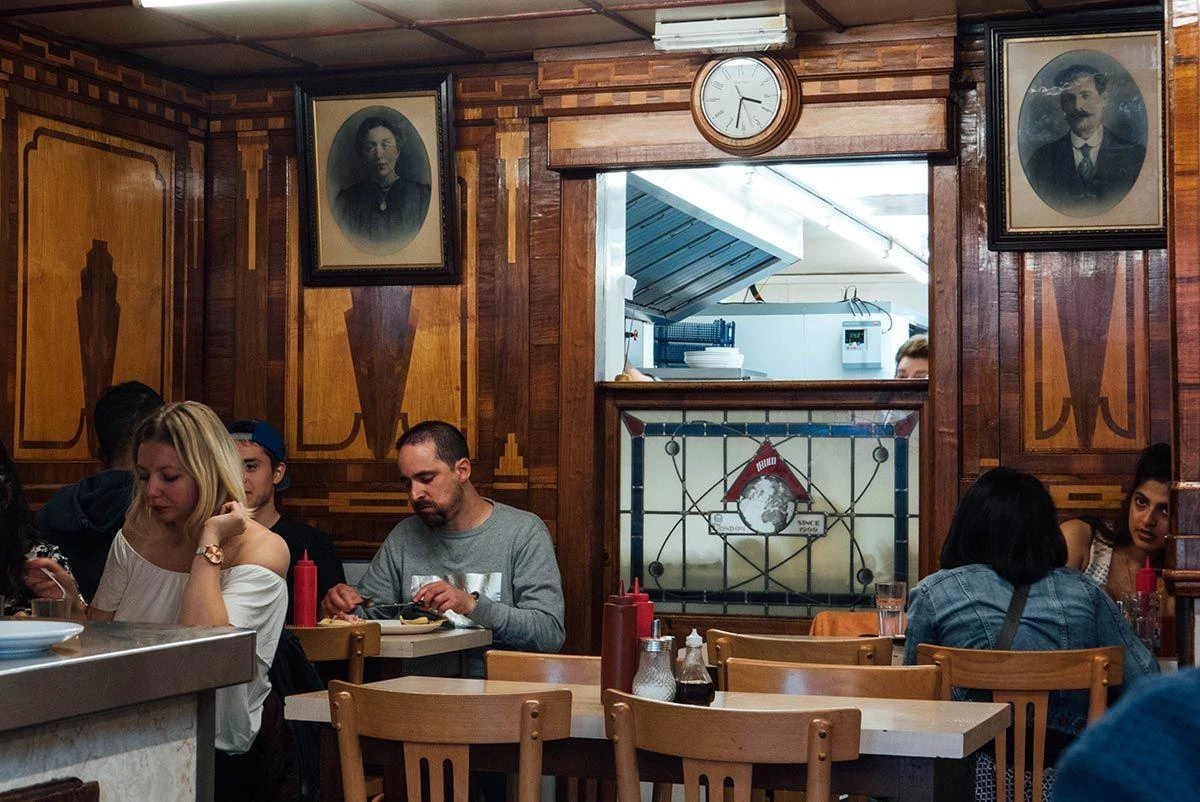
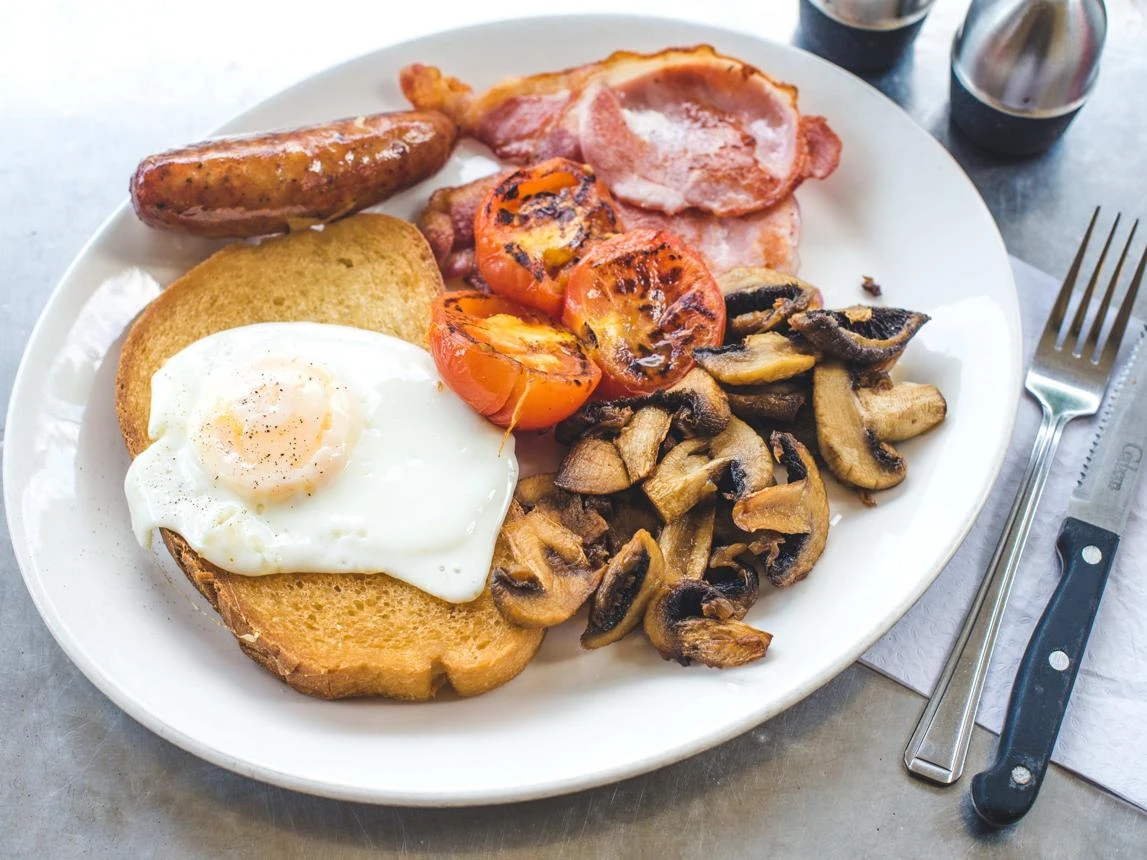
E. Pellicci is one of those London cafés where the breakfast comes with an entire social history attached to it. The business dates to 1900 in Bethnal Green, while the café's famous interior was remodelled in 1946. Historic England lists the building as Grade II, noting its distinctive Vitrolite frontage and intricate Art Deco-style marquetry interior by Achille Capocci. The food reflects the café's East London identity: Cumberland sausages, homemade hash browns and other substantial dishes sit comfortably alongside the Italian influence that has always been part of the Pellicci story. It is precisely this combination that makes the place more interesting than a generic "old café". E. Pellicci belongs to the history of immigrant London as much as to the history of the fry-up. Sit at the counter, look around at the woodwork and tiled details, and the breakfast suddenly feels like a piece of living social history rather than simply a morning meal.
Regency Café
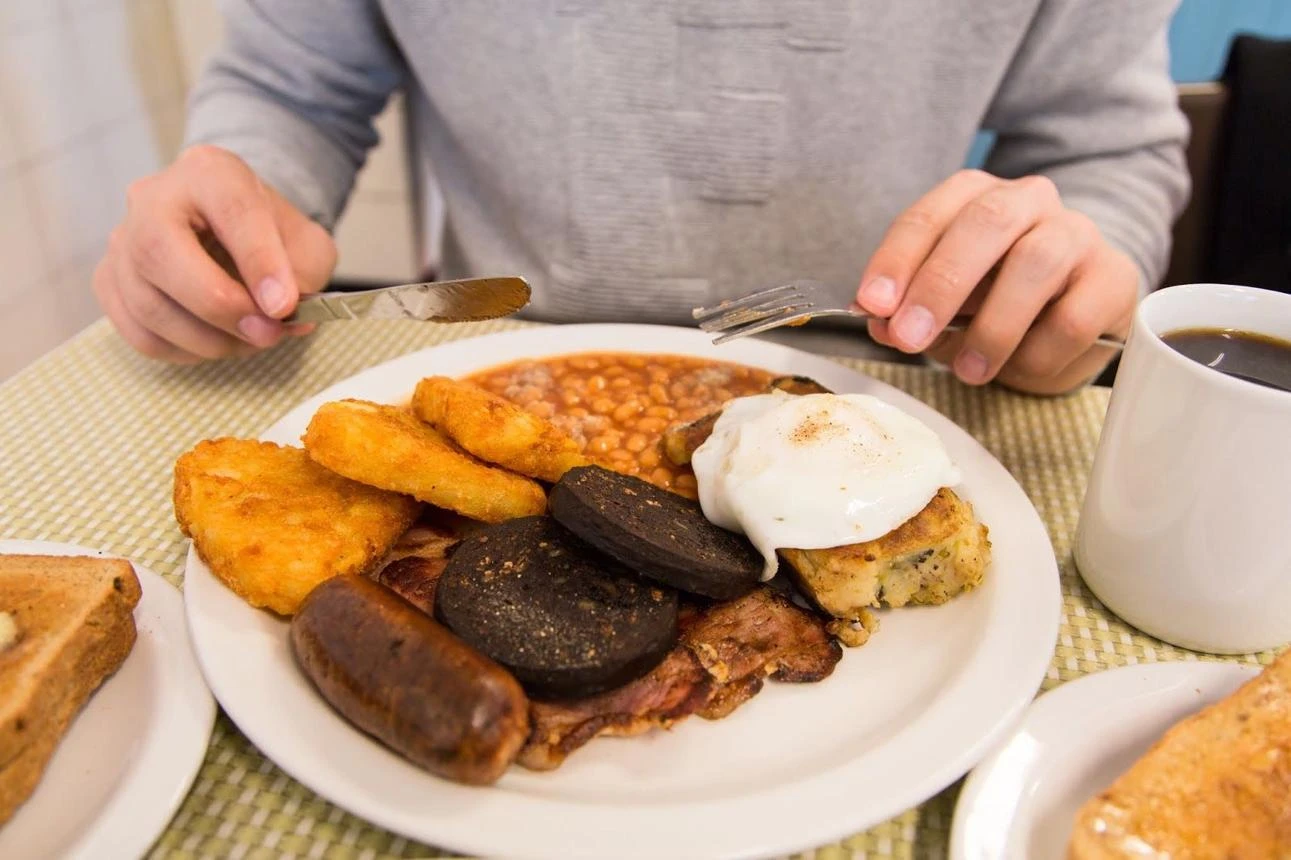
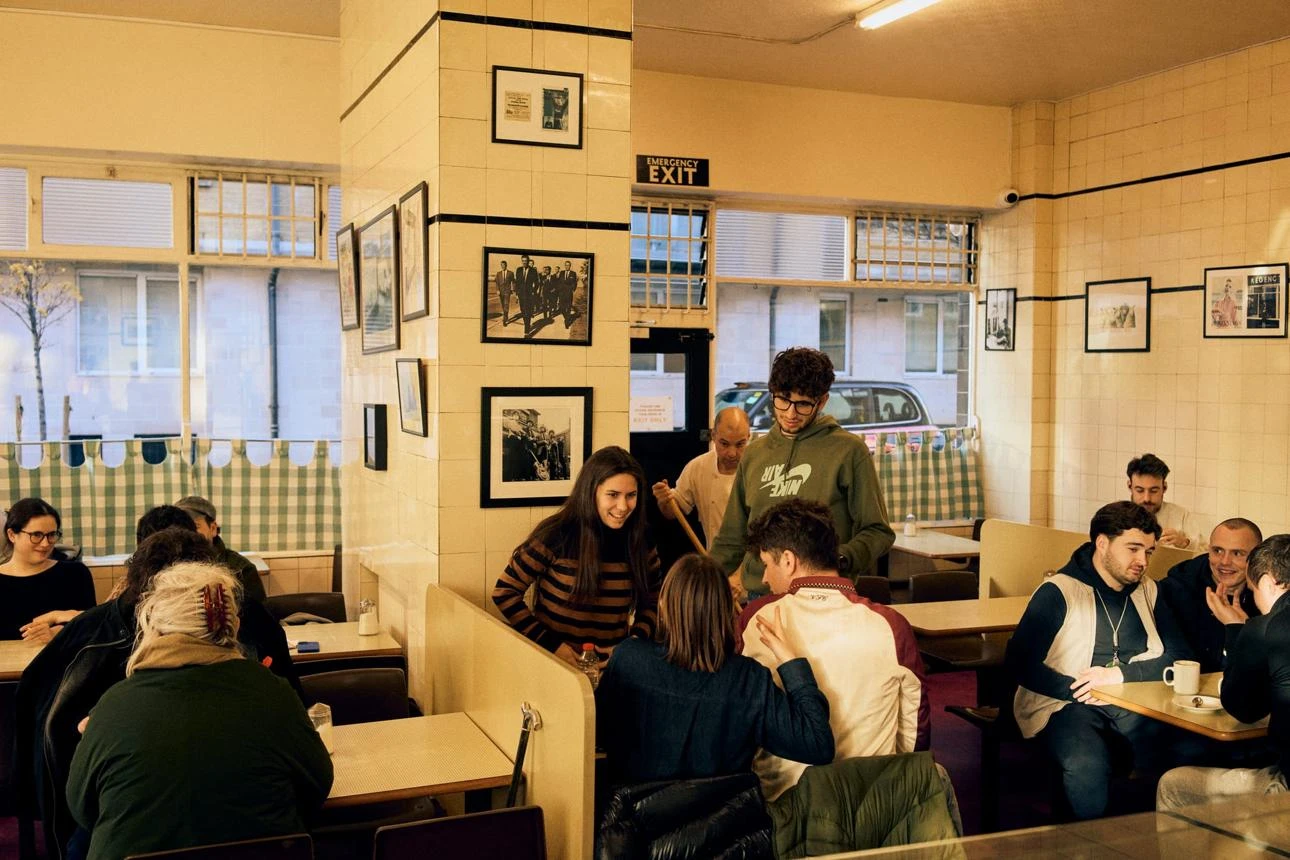
Opened in 1946 on Regency Street in Westminster, Regency Café represents the post-war version of the London breakfast: straightforward, inexpensive and deliberately unpretentious. Its preserved Art Deco interior, original tiling and Formica tables are a major part of the experience, while the menu revolves around traditional British comfort food and the classic breakfast plate. The café also has an unusually strong relationship with cinema. Its interior has appeared in Layer Cake, Brighton Rock, Pride and Rocketman, among other productions. That gives Regency Café a second identity: it is simultaneously a functioning neighbourhood caff and a recognisable piece of London film scenery. The attraction is not luxury or culinary theatre. It is the feeling that the room, the tiled walls, the breakfast and the rhythm of service belong to an older London that somehow survived into the present.
The Wolseley
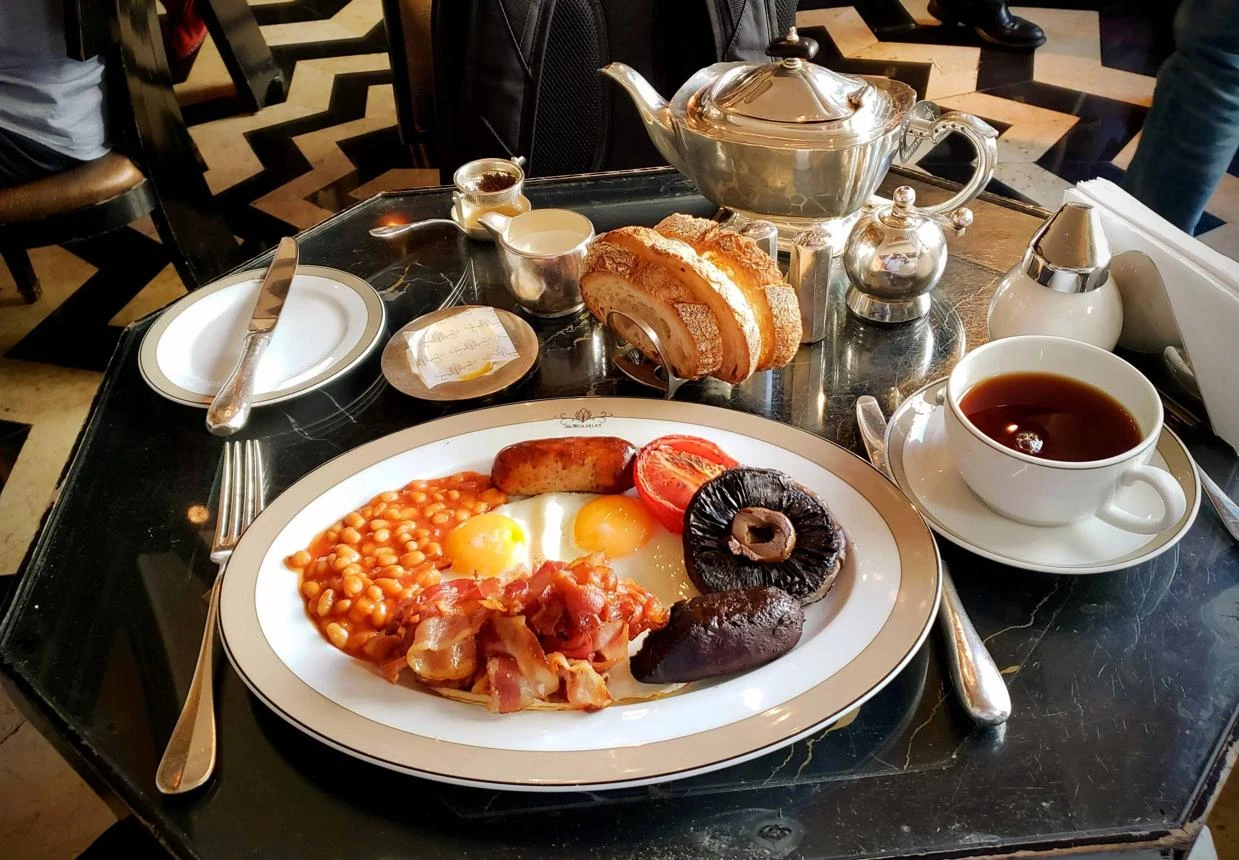
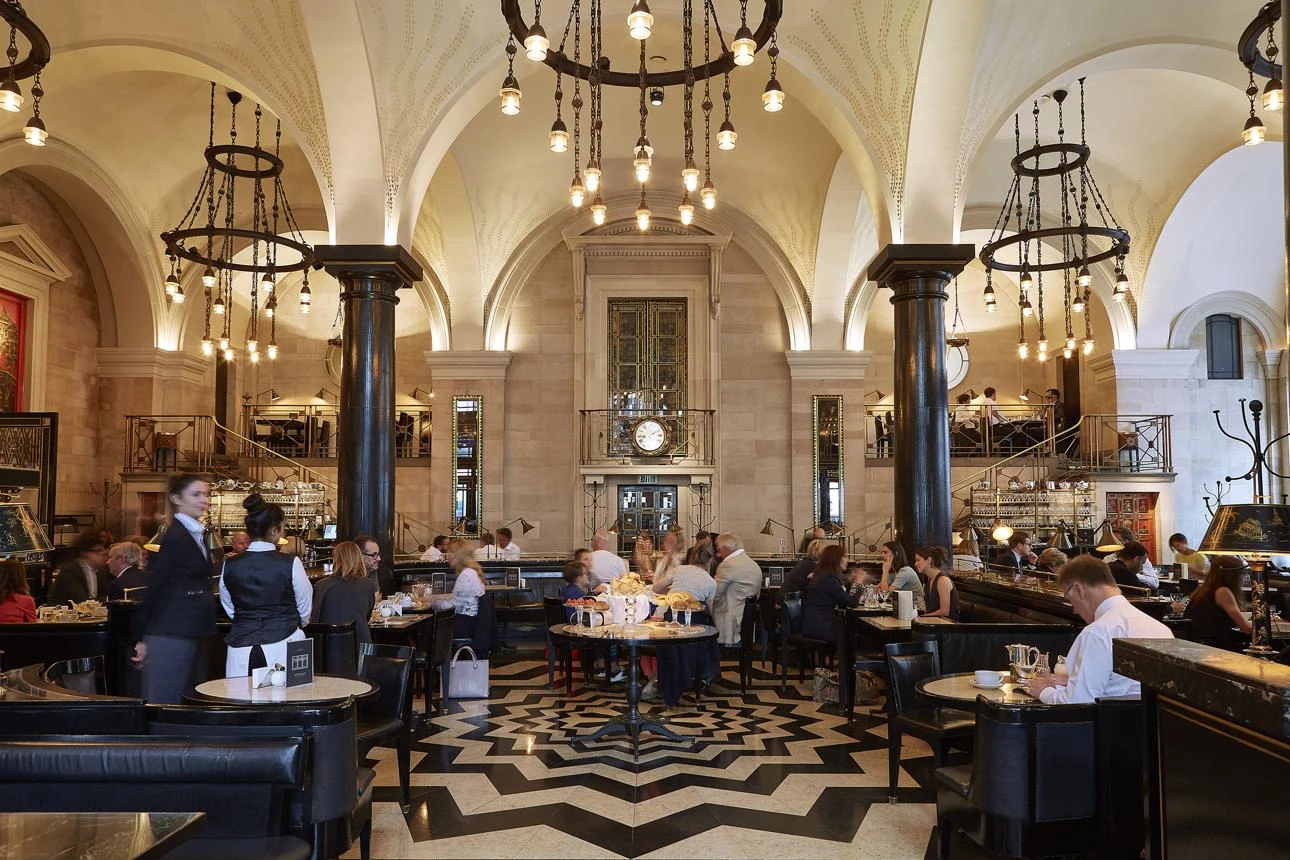
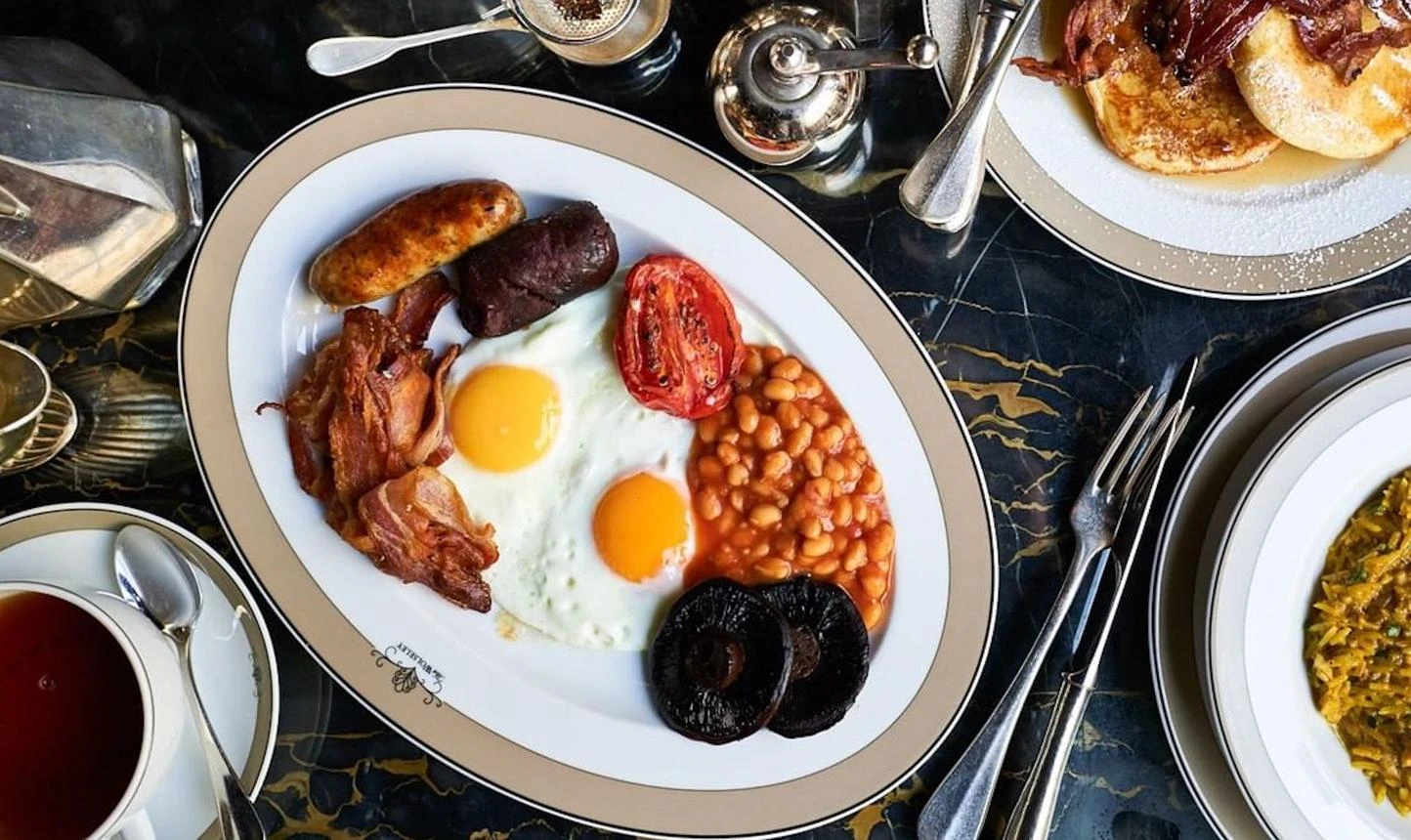
The Wolseley demonstrates what happens when the English breakfast moves from the greasy spoon to grand European-style dining. Located on Piccadilly, the restaurant occupies a spectacular former automobile showroom associated with Wolseley Motors, and its architecture gives breakfast a very different sense of occasion. The setting is all polished stone, high ceilings, arches and formal service, while the menu can include distinctly British ingredients such as sausages, bacon and black pudding. The contrast is the interesting part: the dish itself belongs to a tradition of hearty, practical cooking, but here it arrives with silverware, elaborate architecture and the atmosphere of a grand European café. The Wolseley therefore represents another chapter in the story of the Full English — the point at which a working breakfast becomes part of London's restaurant culture without losing its British identity.
Terry's Café
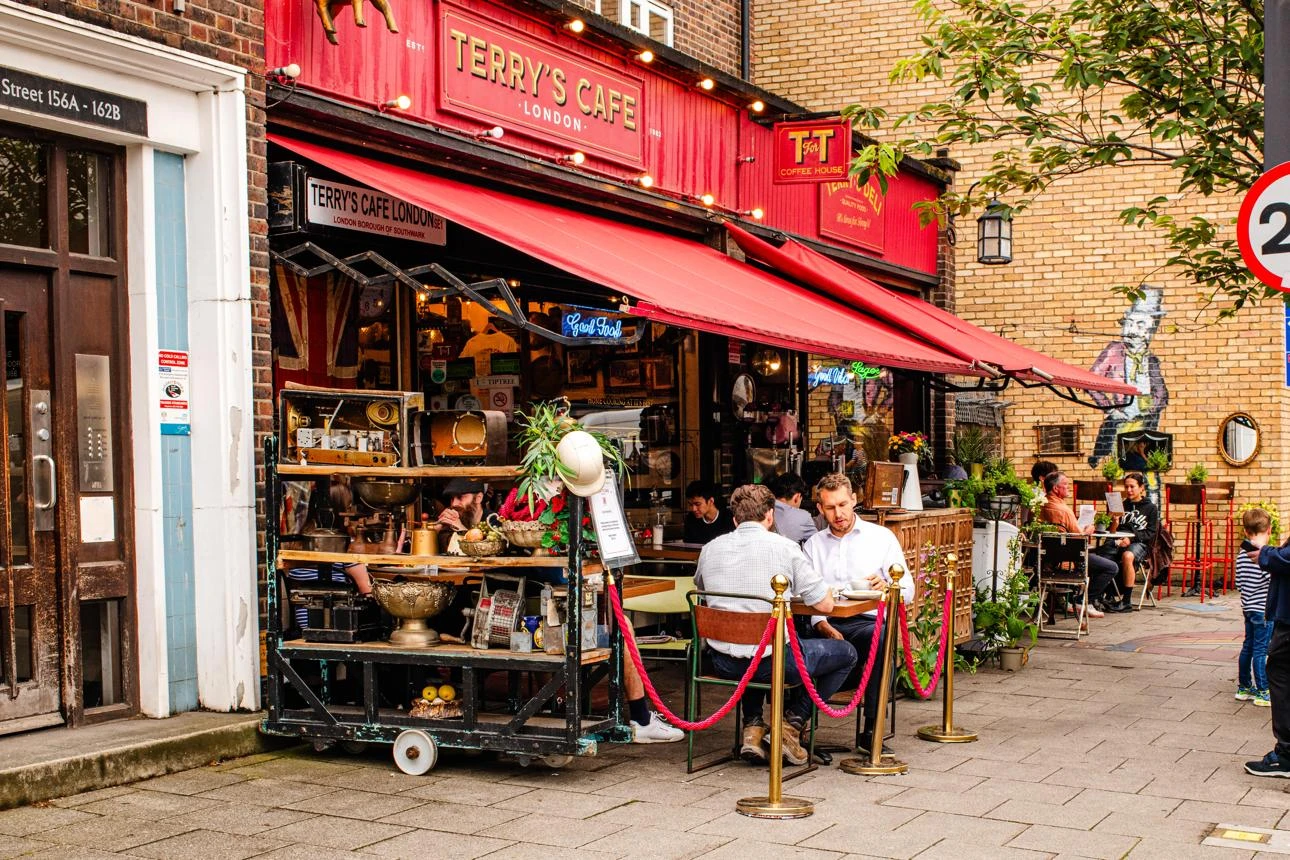
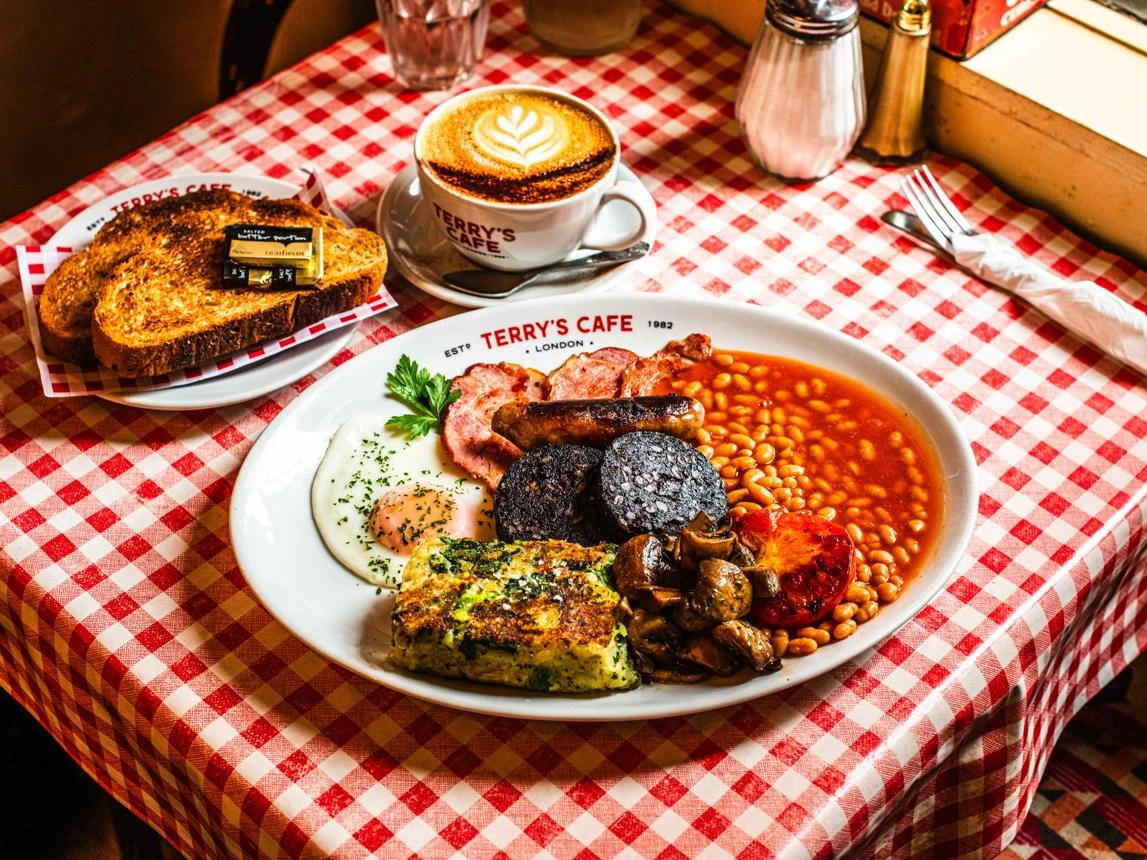
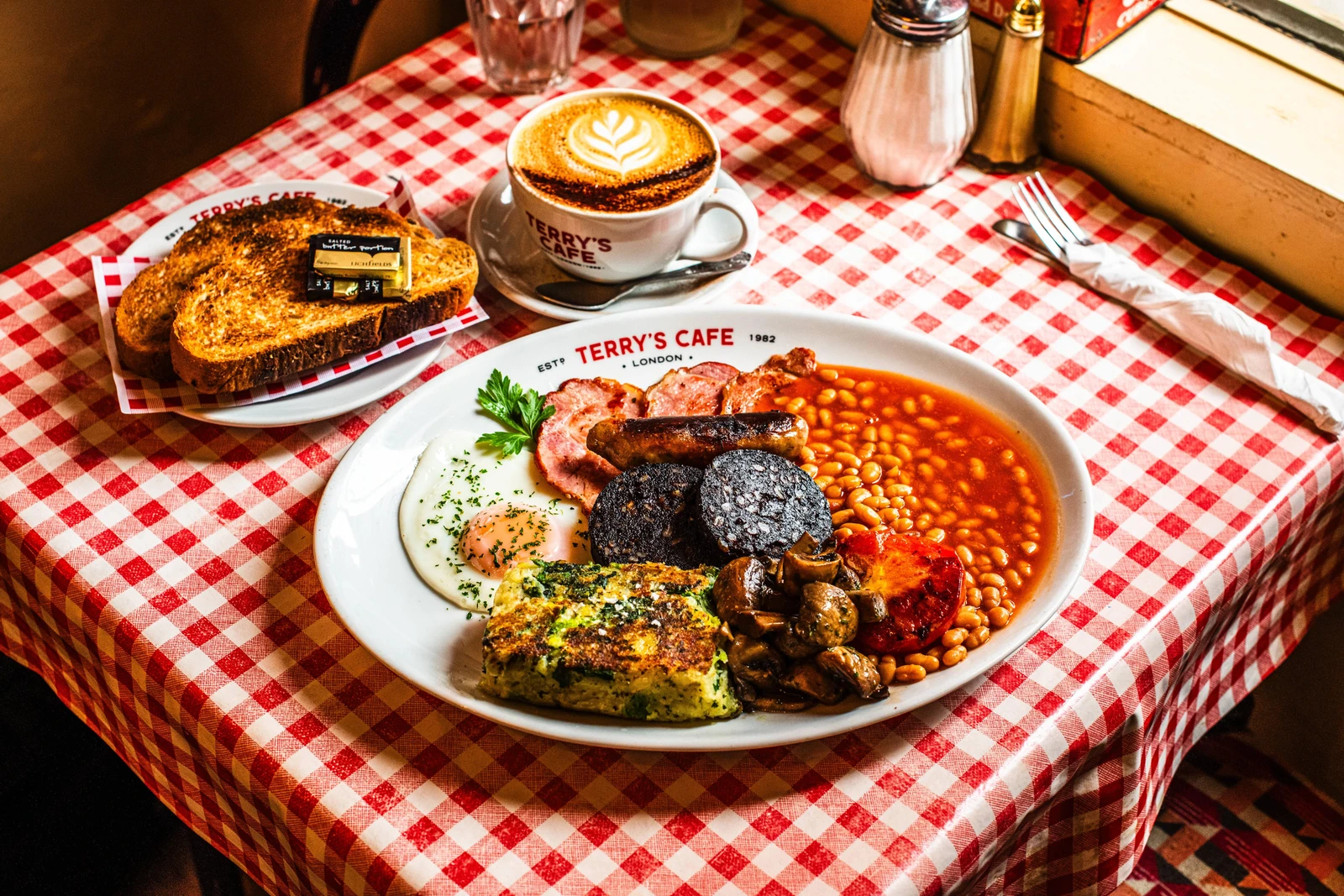
Terry's Café in Borough dates from 1982 and has remained a family-run business, now operated by Terry's son Austin. The café describes its approach simply as traditional British food, good ingredients and friendly service, with produce sourced from local London suppliers. Its connection with Smithfield and London's food markets gives the place a particularly strong relationship with meat and traditional breakfast cooking. Inside, the atmosphere is enhanced by a collection of historic photographs, making the café feel more like a neighbourhood archive than a generic breakfast room. Terry's is also interesting because it represents a later generation of the traditional caff rather than a Victorian survivor. It proves that the culture of the fry-up did not end with the post-war café boom. It continued to be recreated by family businesses that valued consistency, local suppliers and the idea of feeding people properly.
The Quality Chop House

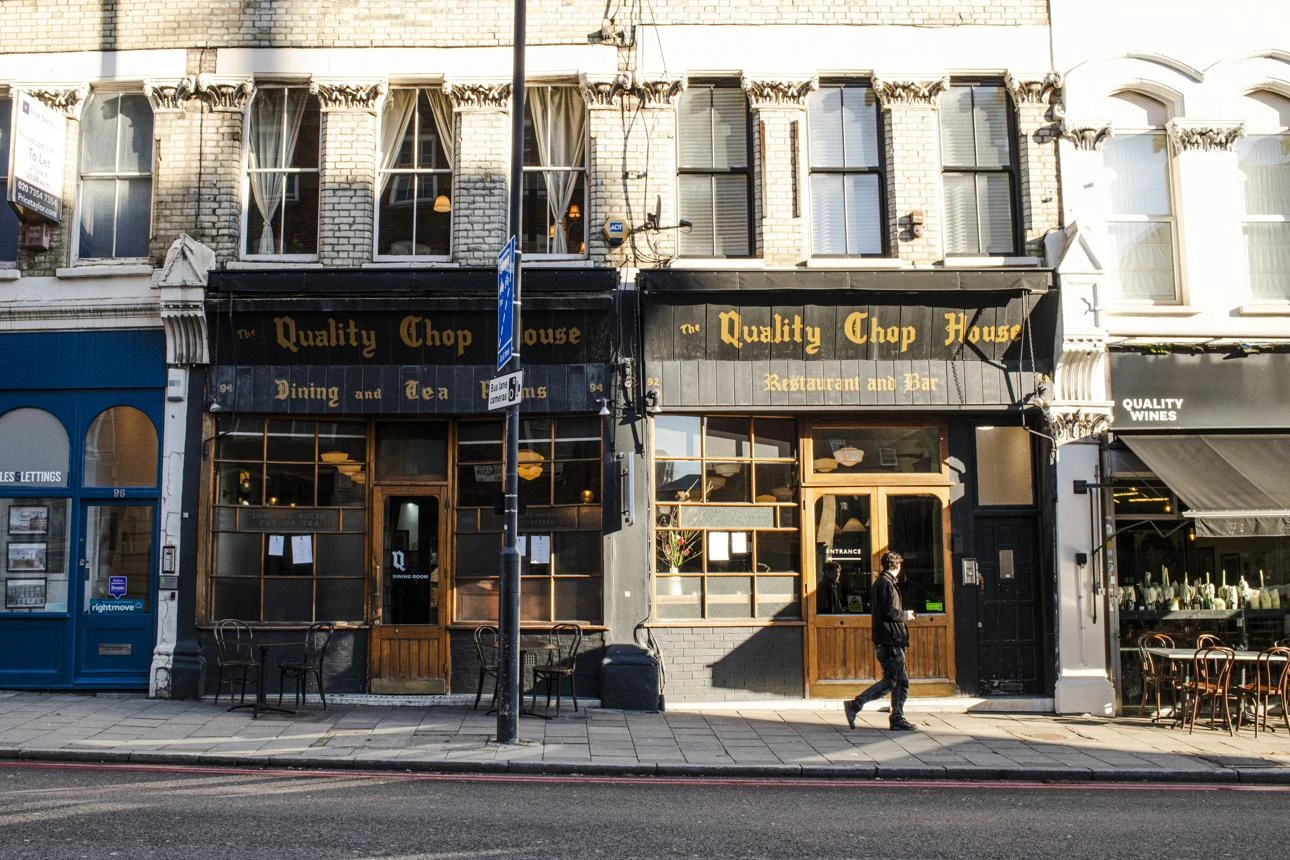
The Quality Chop House takes the English breakfast tradition into very different territory. Established in 1869, the Farringdon Road institution began as a working-class chop house where simple food was served quickly to local workers. Its own history describes the mid-20th-century restaurant as a place where breakfast and lunch were served without fuss, with inexpensive British dishes designed for hungry working people. Today the cooking is far more sophisticated, but the philosophy remains recognisable: British ingredients, strong relationships with producers and food that takes the history of the building seriously without turning it into a museum. The restaurant's famous confit potatoes have become almost a signature in their own right. The result is useful for understanding how the old working breakfast evolved into contemporary British cuisine. Here, the idea of a substantial English morning meal is not preserved behind glass — it is rebuilt using better produce and modern technique.
Beppe's Café
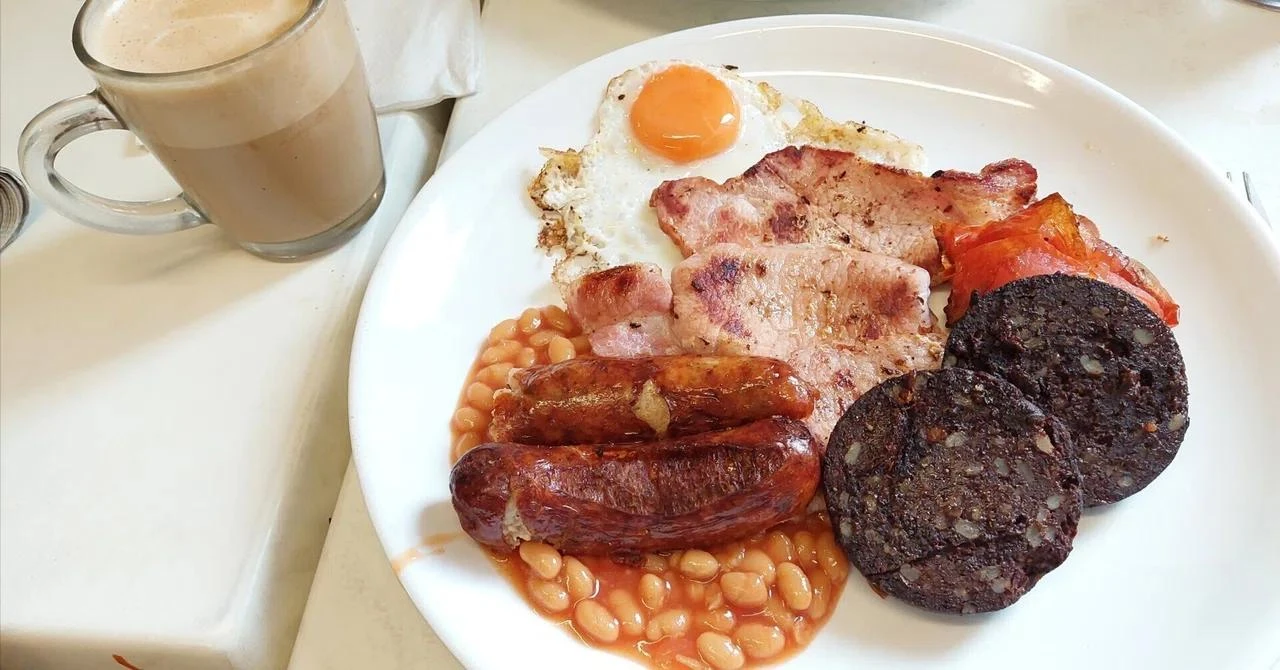
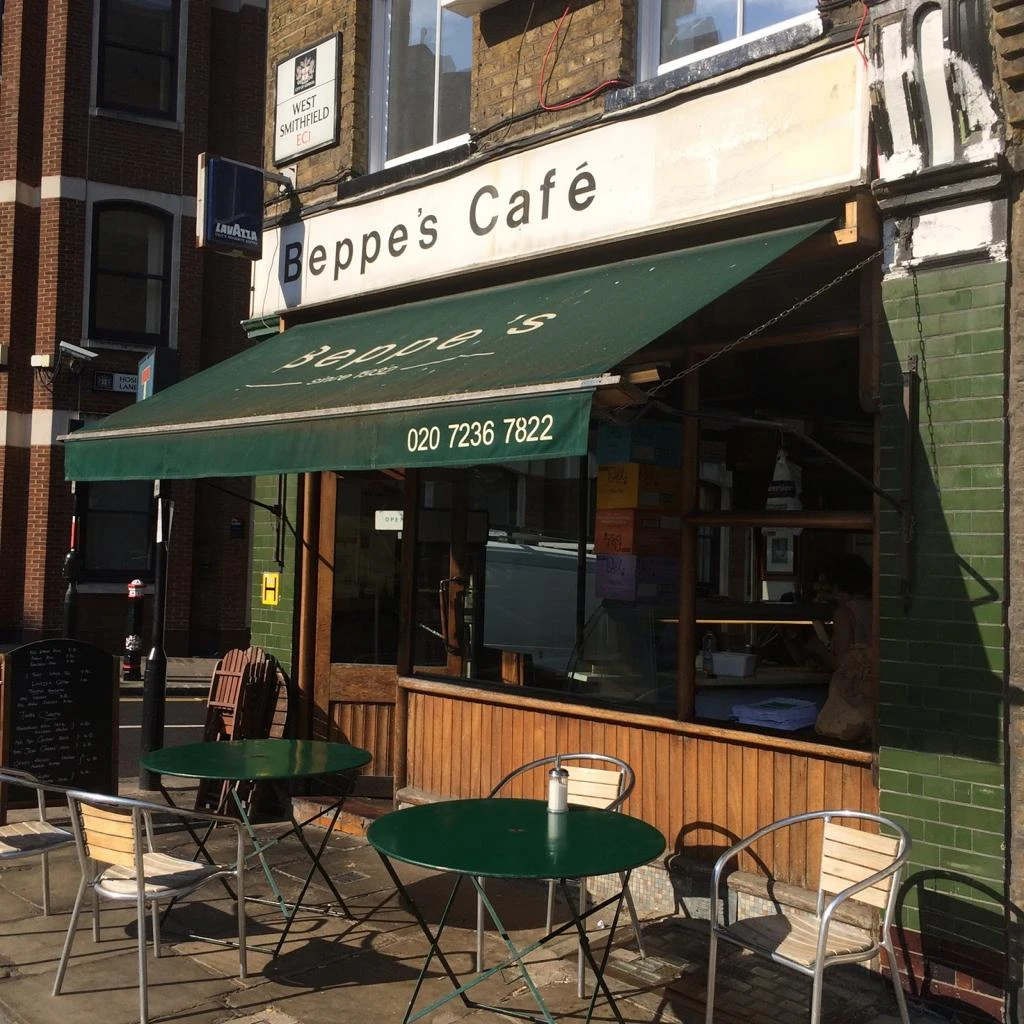
Beppe's Café is one of the most fascinating examples of how London's breakfast culture grew through immigration and market life. The café was founded in 1932 by Giuseppe "Beppe" Papini, who had arrived from Italy, and the family story remains part of the place today. A detailed account of the café describes generations of the Papini family working around Smithfield Market and serving a clientele that included market workers, builders, business people and local regulars. The location is crucial: Smithfield was for centuries one of London's great meat-market environments, so breakfast here naturally developed around fresh meat, eggs, bacon and substantial portions. Beppe's shows that the English breakfast was never culturally isolated. London's classic fry-up was shaped by Italian, Irish, Greek Cypriot and other communities that opened cafés and adapted British food to their own traditions. That multicultural history is sitting right there on the plate.
Bar Bruno
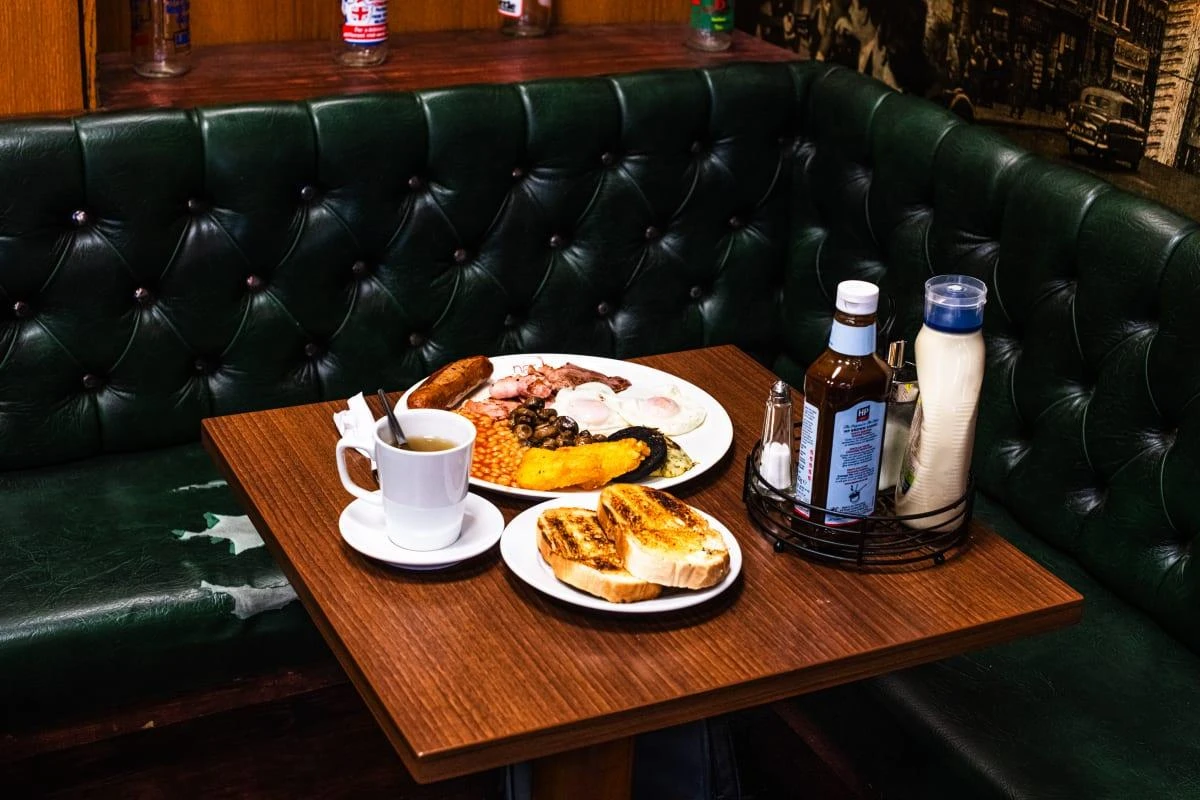
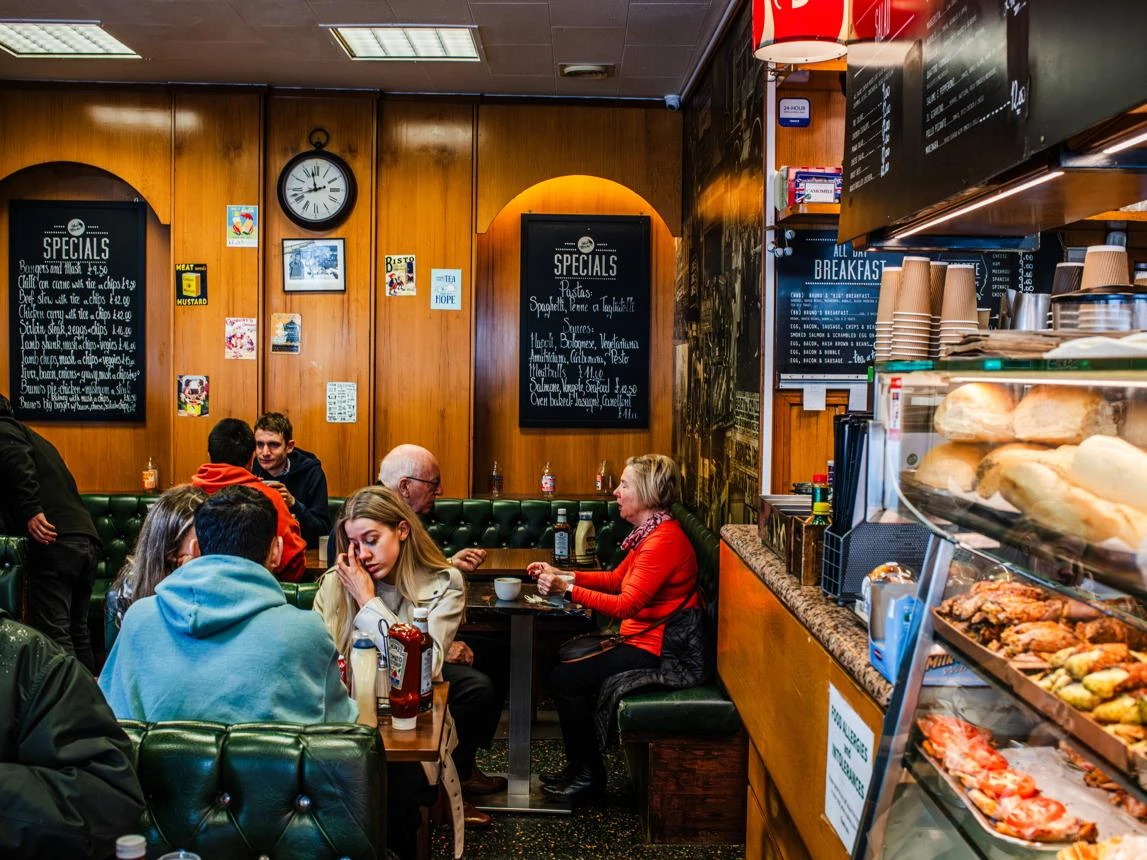
Bar Bruno belongs to the particular breakfast culture of Soho, where the traditional London café has always existed alongside Italian food, nightlife and the creative industries. The café is a classic hybrid: part trattoria, part sandwich bar and part greasy spoon. A historical account of Soho cafés describes the site as a food business dating back to around 1960, with the Bar Bruno identity emerging later and becoming associated with hearty breakfasts and strong tea. That combination is important because the English breakfast in London has never been rigidly "English" in a narrow sense. Cafés run by immigrant families often became places where British breakfast habits mixed naturally with espresso, Italian sandwiches and Mediterranean cooking. Bar Bruno captures that Soho version of the fry-up: informal, slightly bohemian and built around the idea that breakfast can be eaten by journalists, artists, workers and night owls without any ceremony.
Andrew's Restaurant
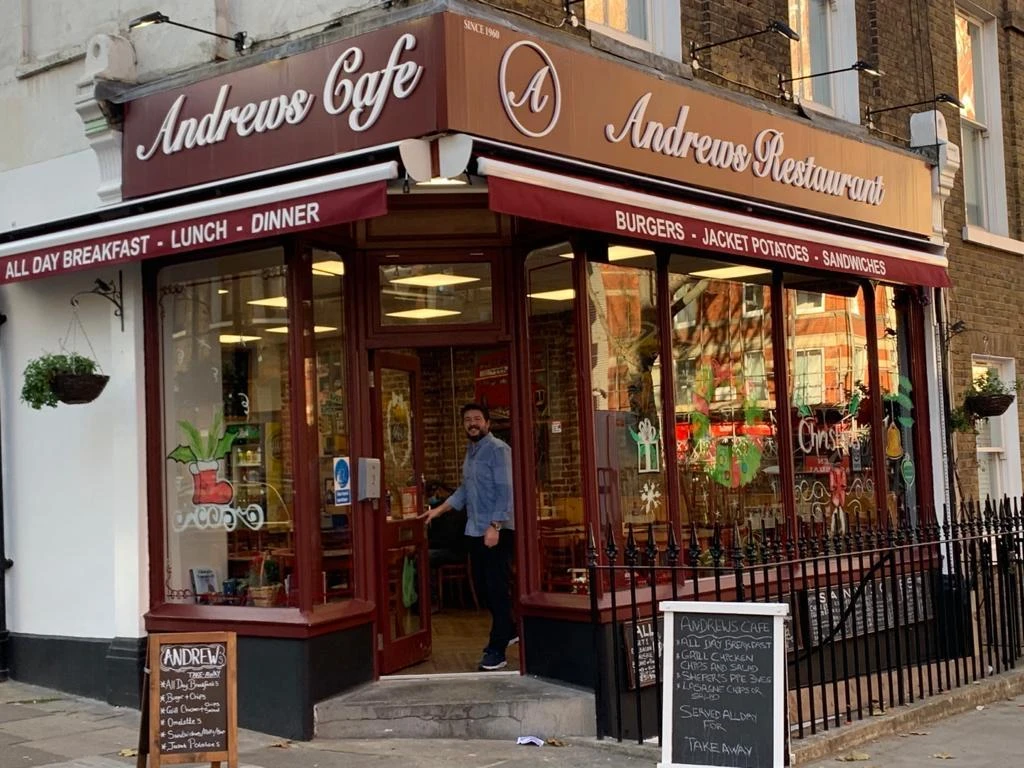
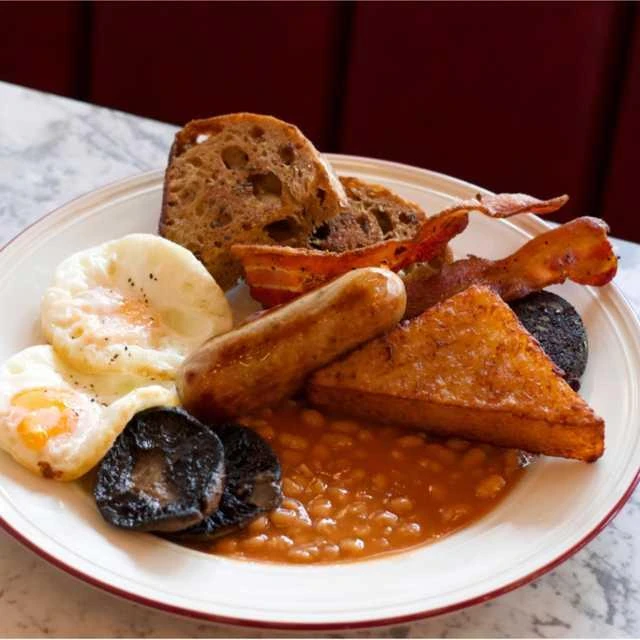
ndrew's Restaurant has been serving Holborn since 1960, and its appeal comes from refusing to overcomplicate what a London breakfast is supposed to do. The café describes itself as a family-run greasy spoon serving generous plates, hot tea and traditional breakfast food, with the Full English and fried bread among its specialities. This is the kind of place where breakfast is primarily functional: workers arrive hungry, order quickly, sit down with a mug of tea and leave properly fed. That may sound simple, but it is one of the most important parts of the fry-up tradition. The Full English was never only a restaurant dish. It was designed to provide energy before a working day, and cafés such as Andrew's preserve that relationship between food, routine and the city. Its longevity is itself a useful reminder that London still has room for the classic caff.
The Troubadour
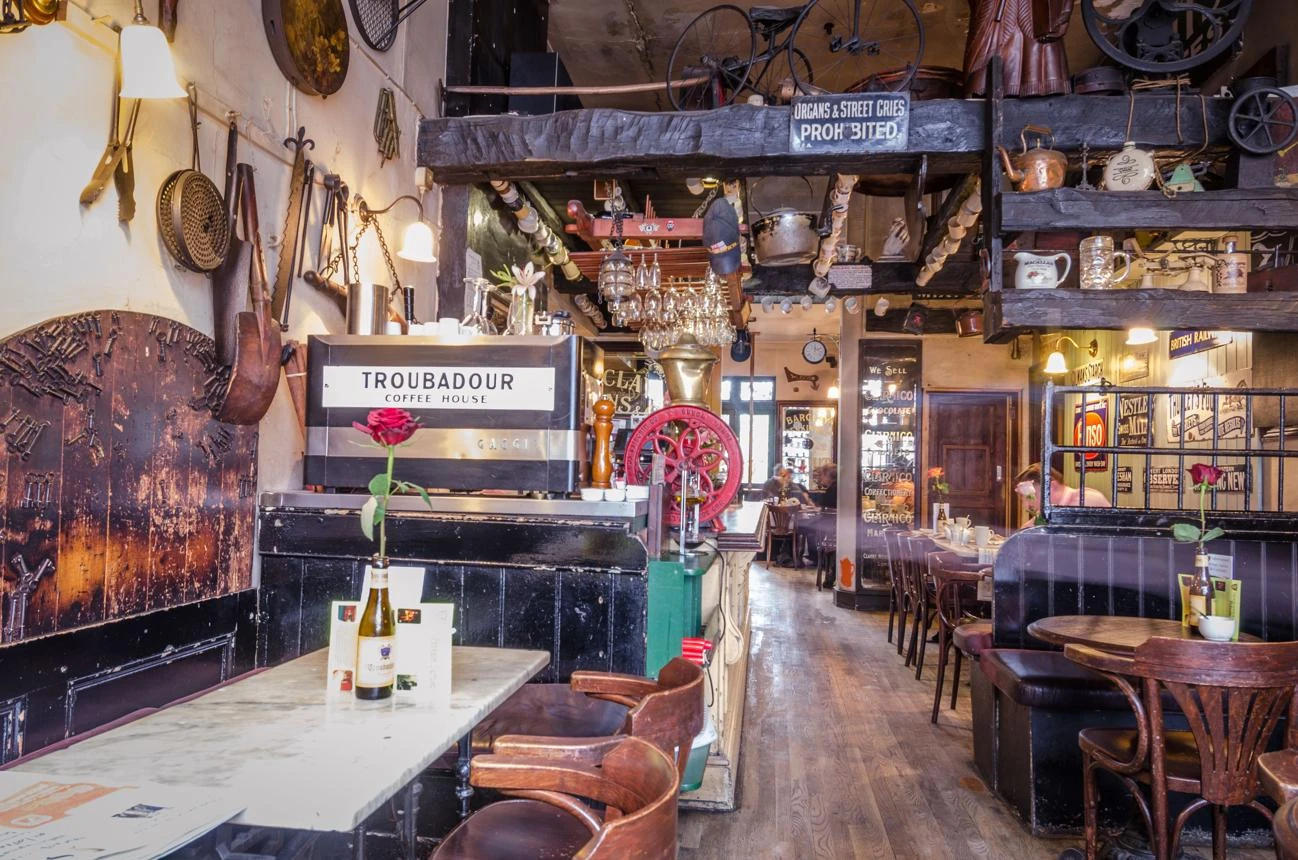
The Troubadour is not a classic greasy spoon, but it belongs in a story about London's breakfast culture because of its unusual combination of café, restaurant and music history. Founded in 1954, it became one of London's most important independent cultural venues and a centre of the British folk revival. Bob Dylan, Paul Simon and other major musicians performed there, while Jimi Hendrix was also part of its late-1960s story. Today it continues to operate as a restaurant and coffee house alongside its music programme, with brunch and breakfast options connecting the modern venue to its café heritage. The interesting thing here is the atmosphere: breakfast is not merely fuel but part of a place where writers, musicians, artists and performers have gathered for generations. It shows another side of London's morning culture — the café as a meeting point for creative life.
Heap's Sausage Café
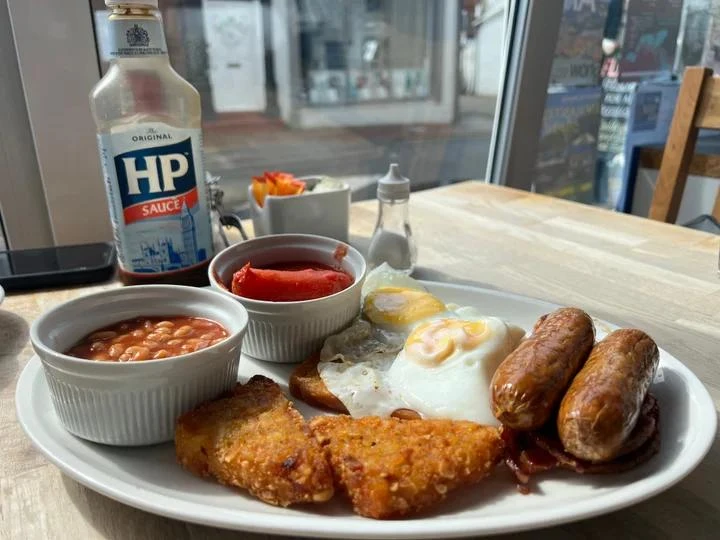
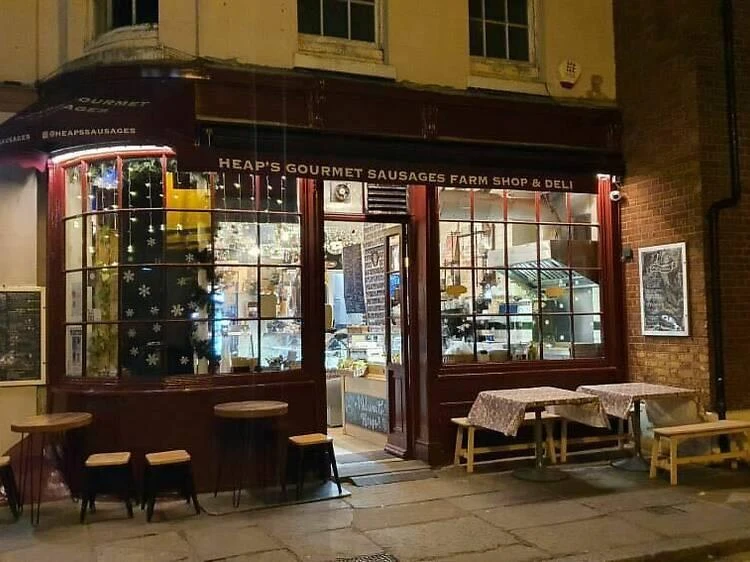
Heap's began with sausages rather than breakfast. Martin Heap launched Simply Sausages at Smithfield Market in 1991, offering a remarkable range of handmade sausages, before opening Heap's Café in Greenwich in 2008. The café became a meeting place where customers could eat freshly made sausages and see the specialist nature of the business behind them. Although the original sit-down café later changed direction, the current Heap's operation in Greenwich continues to focus on British produce, sausages, bacon and breakfast baps. It is a useful example of how the sausage — one of the fundamental components of a fry-up — can become the centre of an entire food identity. Instead of treating the banger as one item among many, Heap's builds the breakfast around the quality and variety of the sausage itself.
Dean Street Townhouse
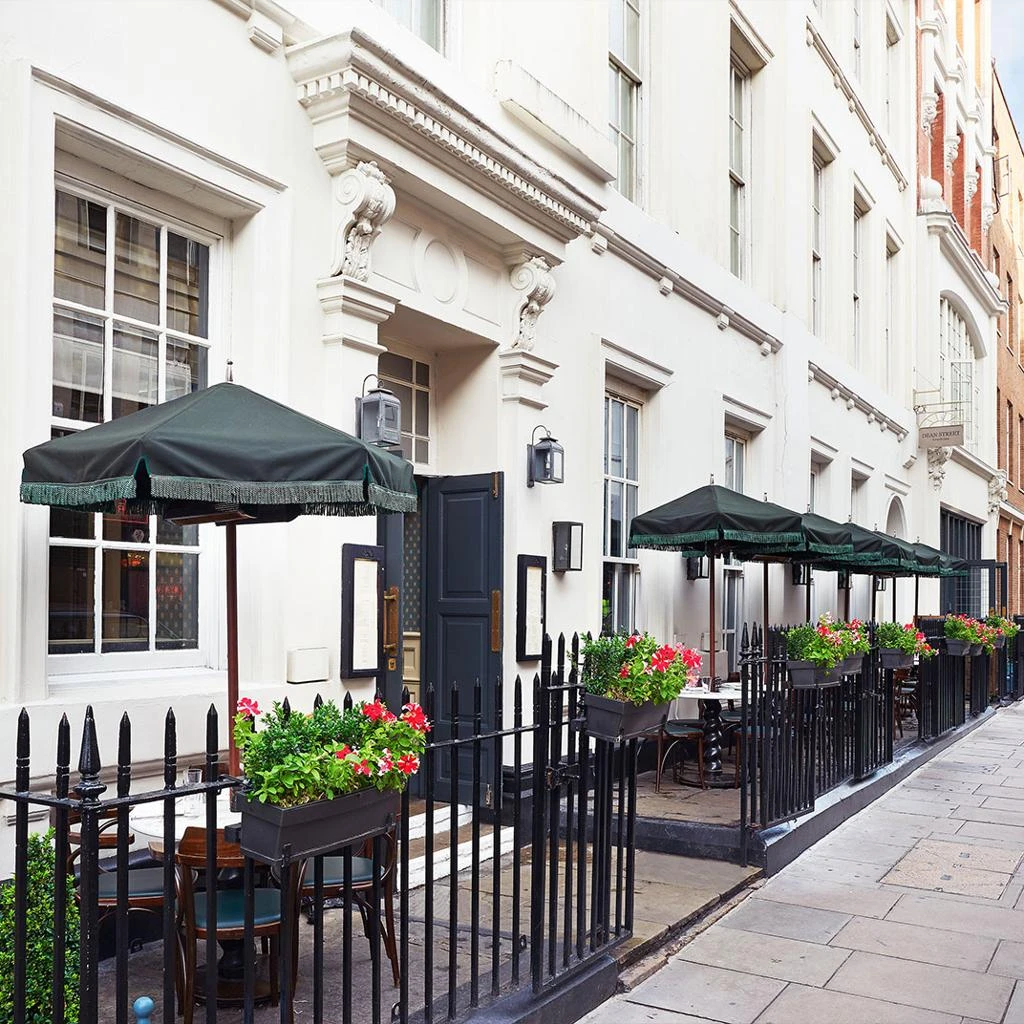
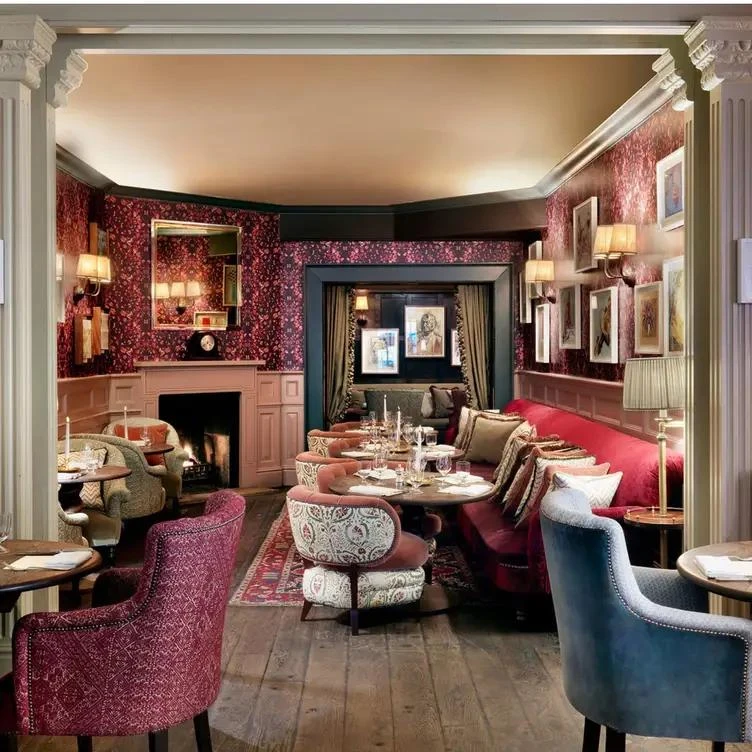
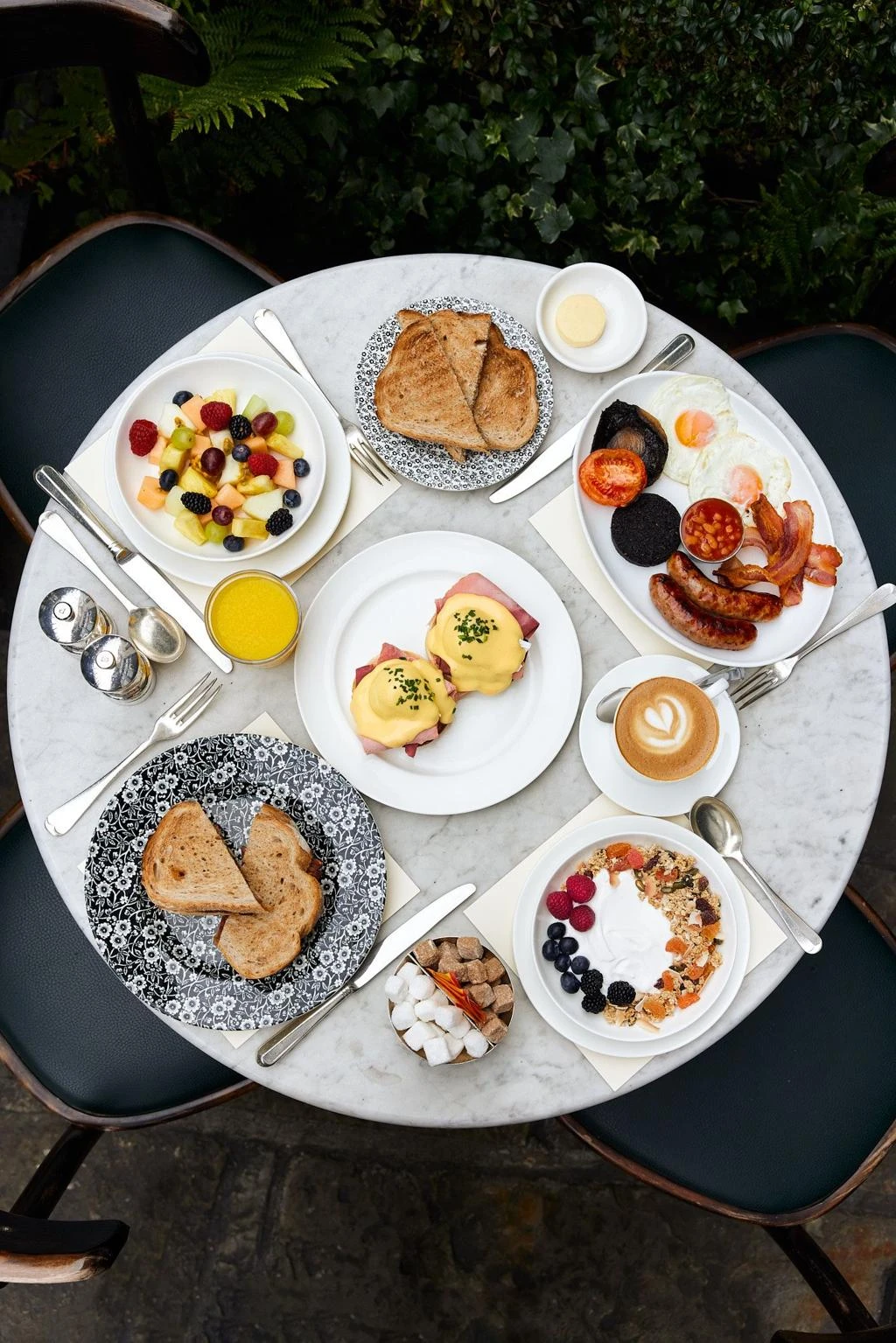
Dean Street Townhouse represents the polished Soho version of British breakfast culture. The building itself has Georgian roots, while the modern hotel and restaurant occupy one of the most characterful streets in the West End. Breakfast here can include a classic Full English alongside dishes such as kedgeree and eggs Benedict, creating a menu that reflects several different chapters of British breakfast history. The kedgeree connection is particularly interesting: the dish became associated with the Anglo-Indian dining culture of the British Empire and later found a place on fashionable British breakfast tables. In this setting, the Full English is no longer the utilitarian plate of a workers' café. It becomes part of a leisurely hotel breakfast, where traditional British dishes sit beside international influences. Dean Street Townhouse therefore shows how the same breakfast tradition can move comfortably from a greasy spoon to an elegant Georgian dining room.
Norman's Café
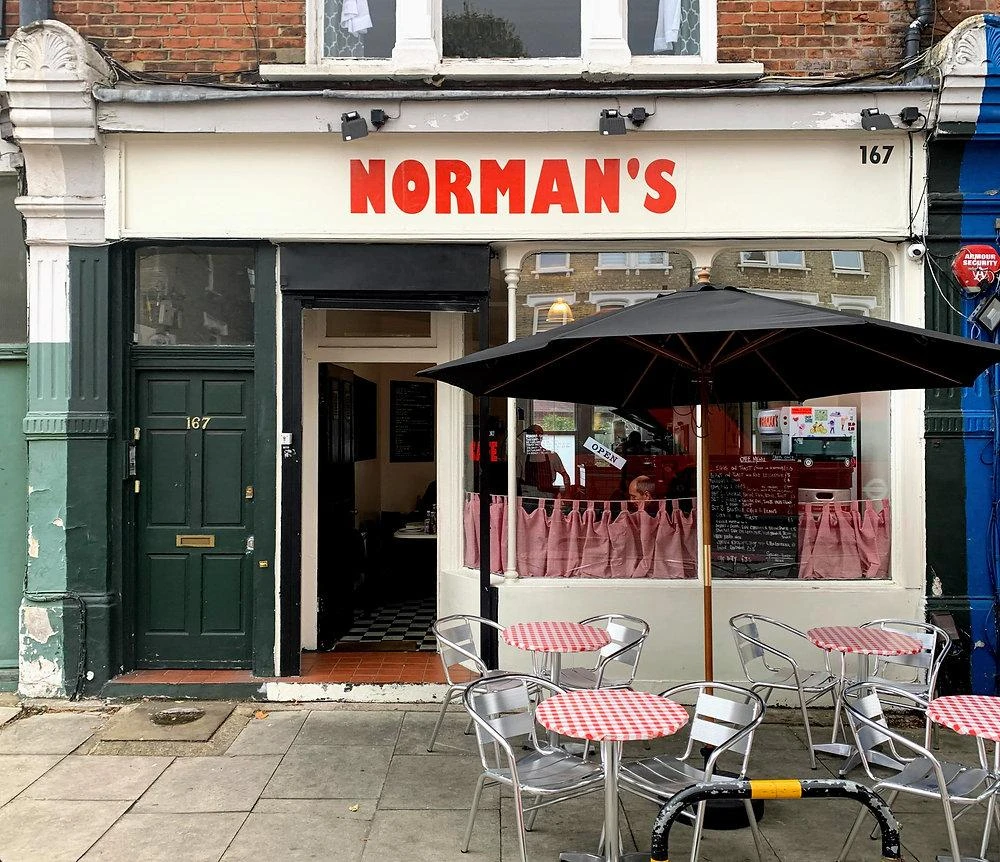
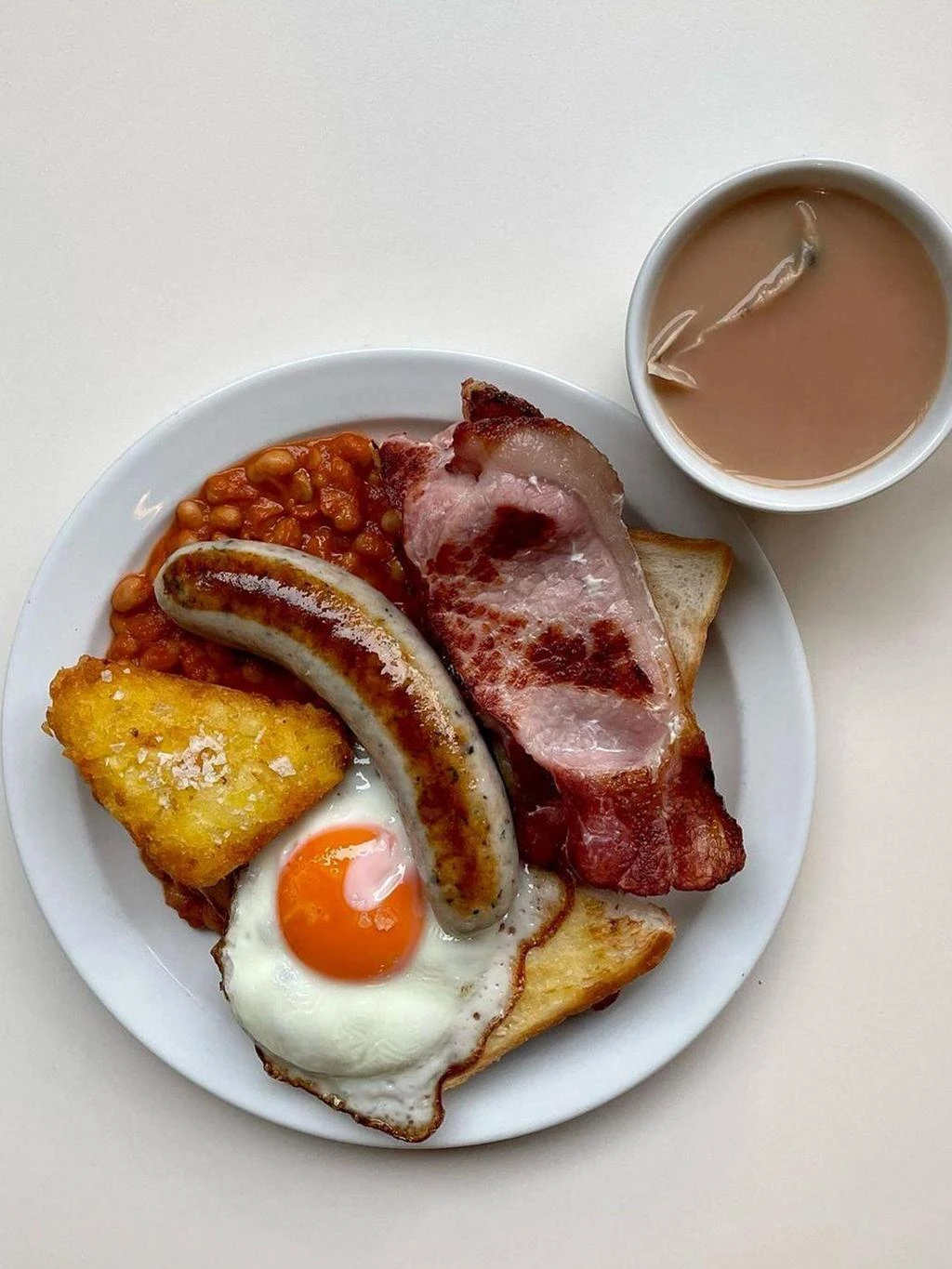
Norman's Café is a modern project that deliberately looks backwards. Opened in Tufnell Park in 2020, it embraced the visual language and straightforward cooking of the classic British caff at a time when many London restaurants were moving in the opposite direction. The appeal lies in the tension between new and old: a contemporary business recreating the atmosphere of a neighbourhood greasy spoon, complete with traditional breakfast combinations and familiar ingredients. That makes Norman's particularly relevant to the modern history of the Full English. The old café model had become increasingly rare in many parts of London, so a new generation began treating its visual language almost as heritage. Norman's does not need to pretend that it is an untouched 1950s survivor. Its significance is precisely that it is a conscious revival of the culture.
The Original Ivy
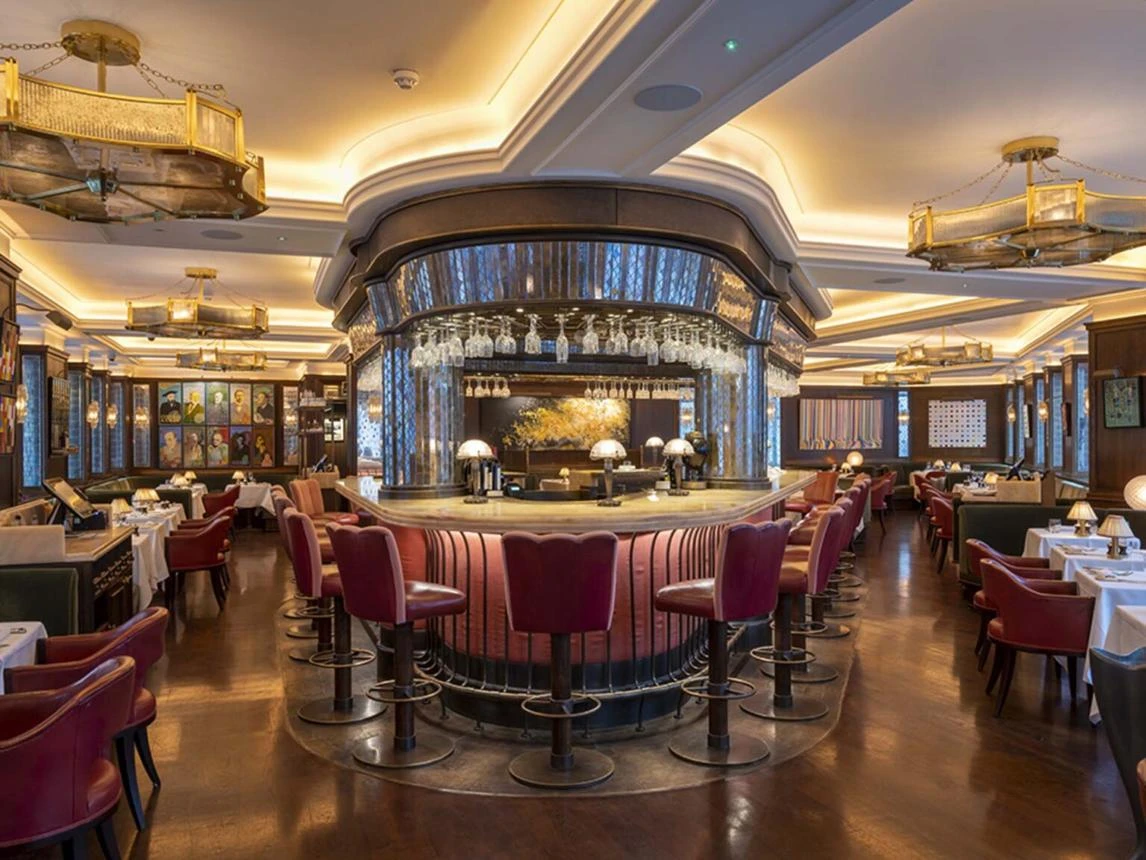
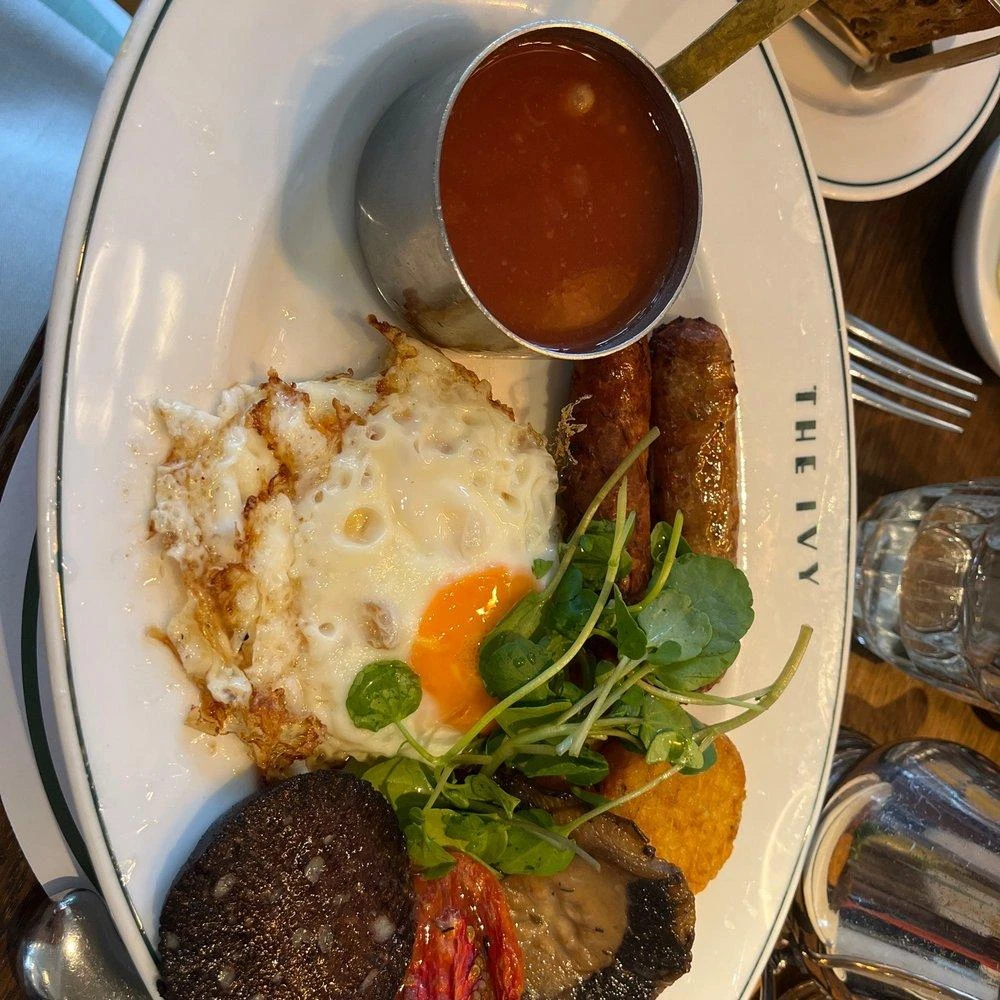
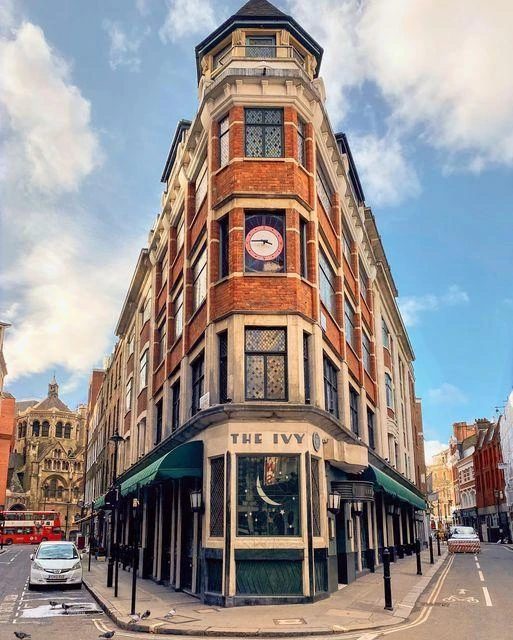
The Ivy belongs to the theatrical history of London's West End and offers a much more refined interpretation of breakfast and brunch. The restaurant's story reaches back to the early 20th century, when the original Covent Garden establishment became closely associated with actors, writers and London's theatre crowd. Today, breakfast and brunch at The Ivy sit firmly on the restaurant side of the British breakfast spectrum, but the menu retains dishes that connect with familiar British morning traditions. The interesting contrast is between the informal origins of many breakfast dishes and the highly polished setting in which they are now served. At The Ivy, a full breakfast becomes part of London's restaurant culture rather than a workers' meal. It is a useful stop for understanding how British breakfast developed from domestic and café food into something that can also function as an elegant social occasion.
River Café
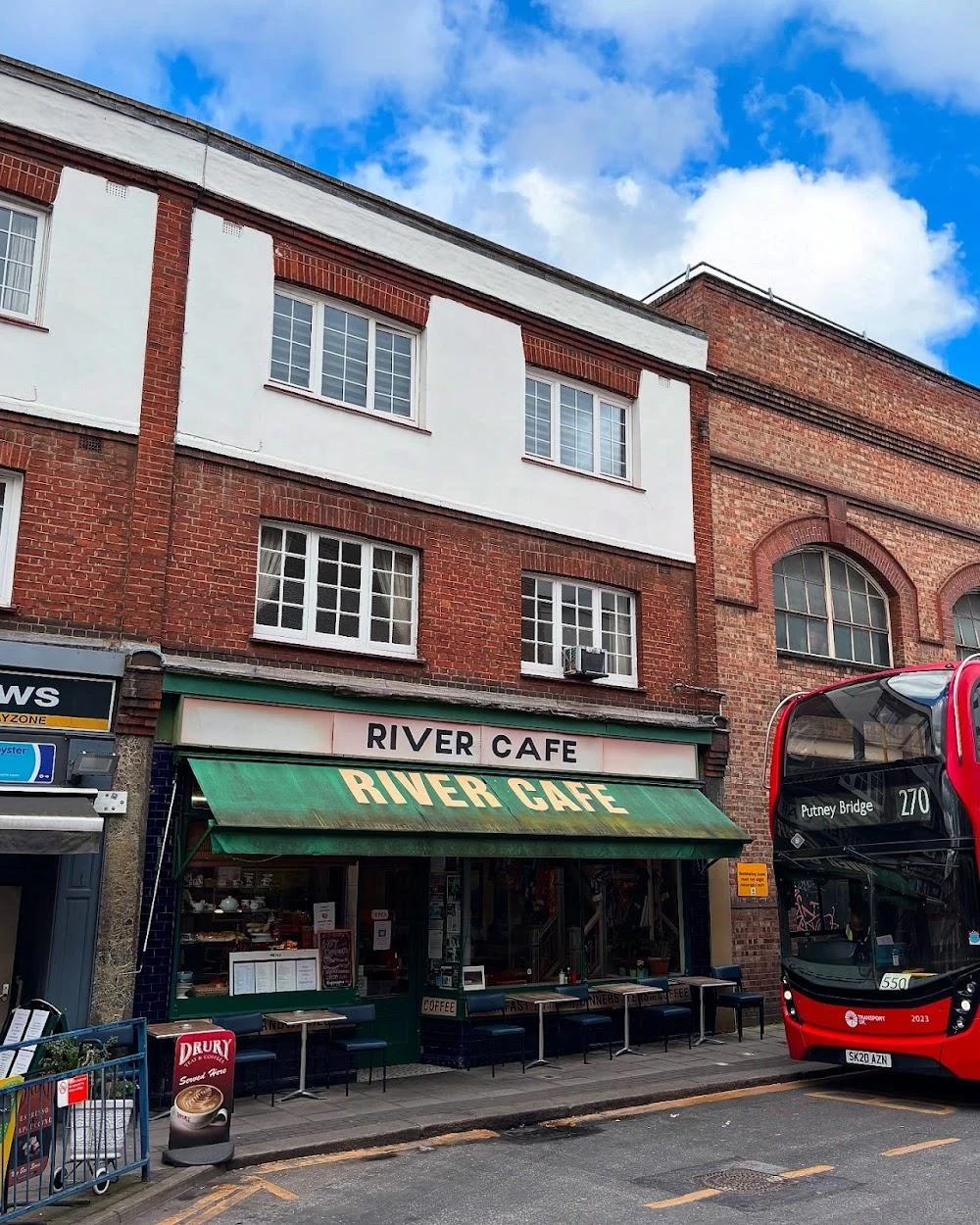
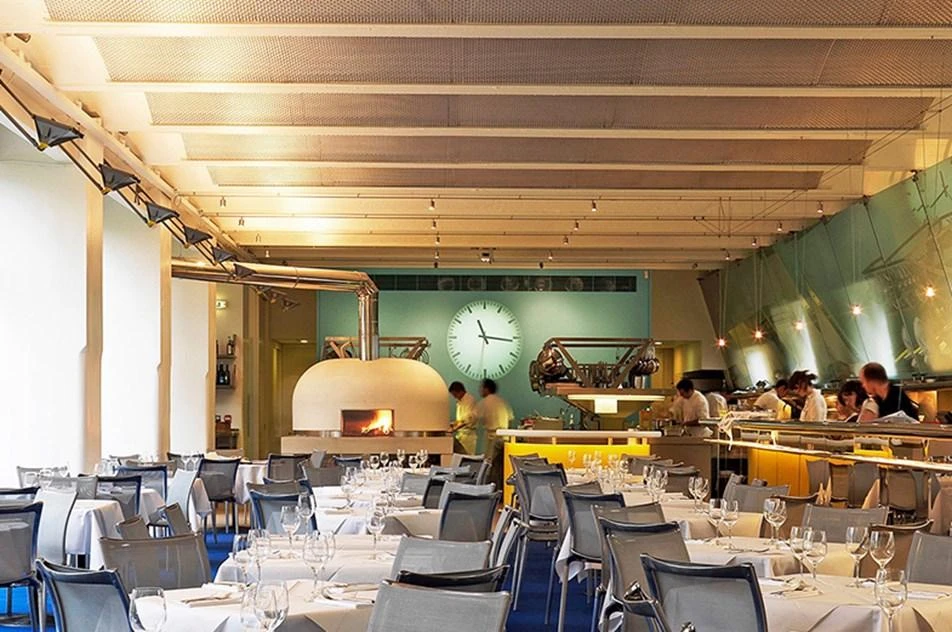
River Café offers another variation on the London morning meal, mixing the city's café tradition with a more relaxed contemporary restaurant atmosphere. Its location by the Thames gives the experience a distinctly West London character, while the food has long reflected the influence of Italian cooking. The result is particularly relevant to the history of English breakfast because London cafés have always borrowed, adapted and mixed culinary traditions. A breakfast here can therefore feel very different from a classic greasy spoon plate while still belonging to the broader London habit of starting the day with eggs, meat, bread and strong coffee. The setting also illustrates how the old café culture has gradually moved into more design-conscious restaurants. Instead of Formica and fluorescent lights, the modern version may have river views, open space and contemporary cooking — but the social function remains surprisingly similar.
Mount St. Restaurant
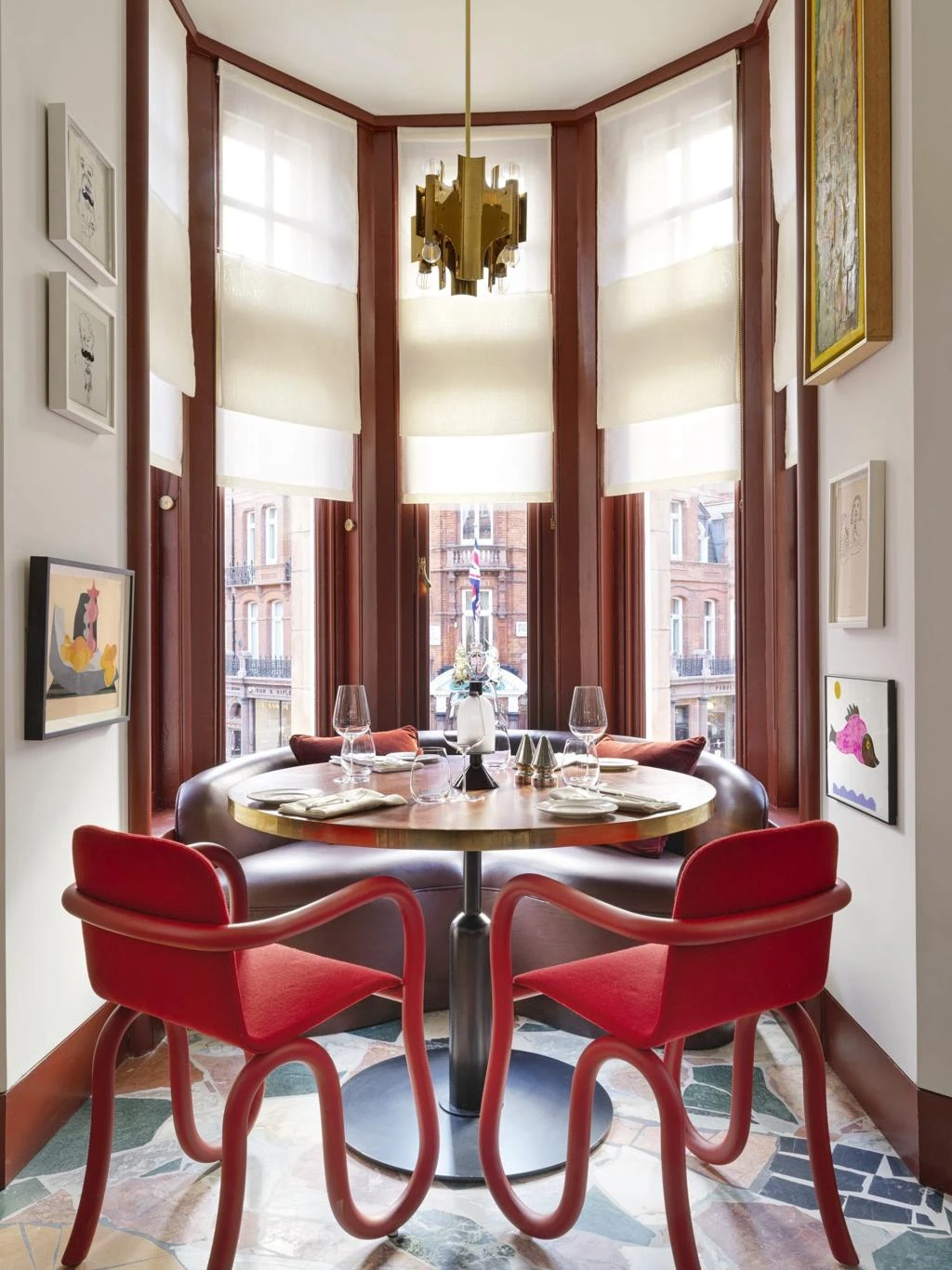
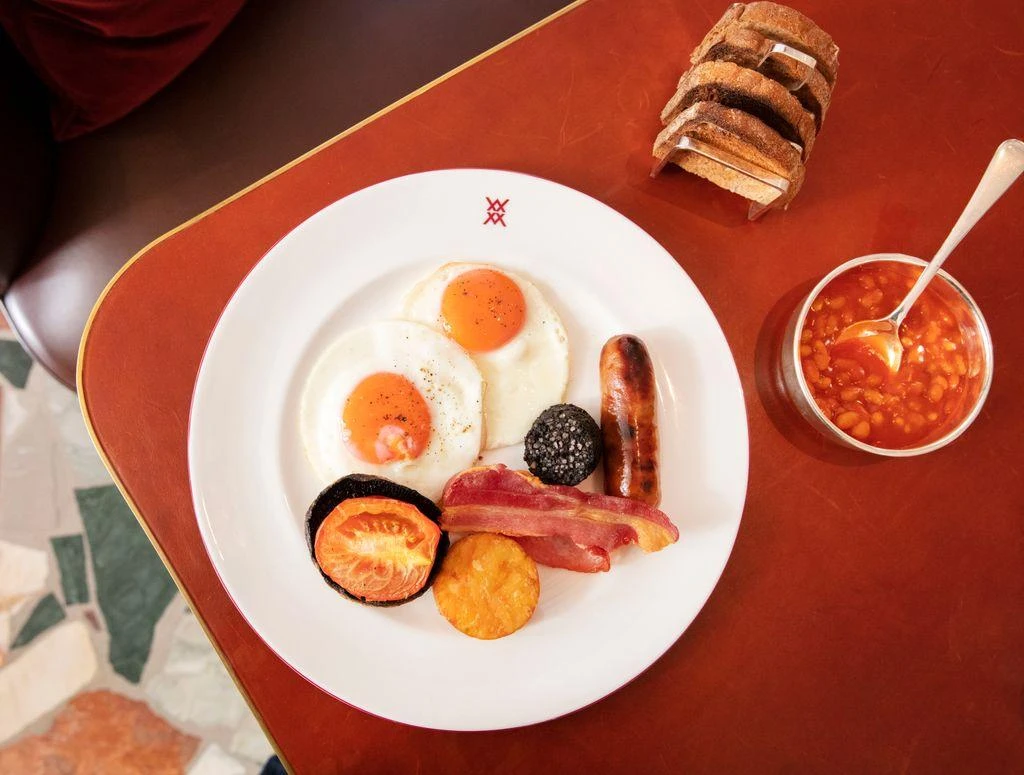
Mount St. Restaurant in Mayfair is almost the opposite of the traditional greasy spoon. It occupies the historic Audley building and forms part of a contemporary restaurant project built around art, design and British heritage. Breakfast and brunch here can include distinctly old-fashioned British dishes such as devilled kidneys, a reminder that the Victorian and Edwardian breakfast was much more elaborate than today's standard plate of bacon, eggs and beans. That historical connection is important. In the grand country-house breakfast of the 19th century, kidneys, fish, cold meats and other dishes could appear alongside eggs and bacon. Mount St. revives that broader idea in a modern Mayfair setting. Rather than presenting the Full English as a fixed formula, it treats British breakfast as a culinary tradition with room for older dishes that disappeared from everyday café menus.
Duck & Waffle
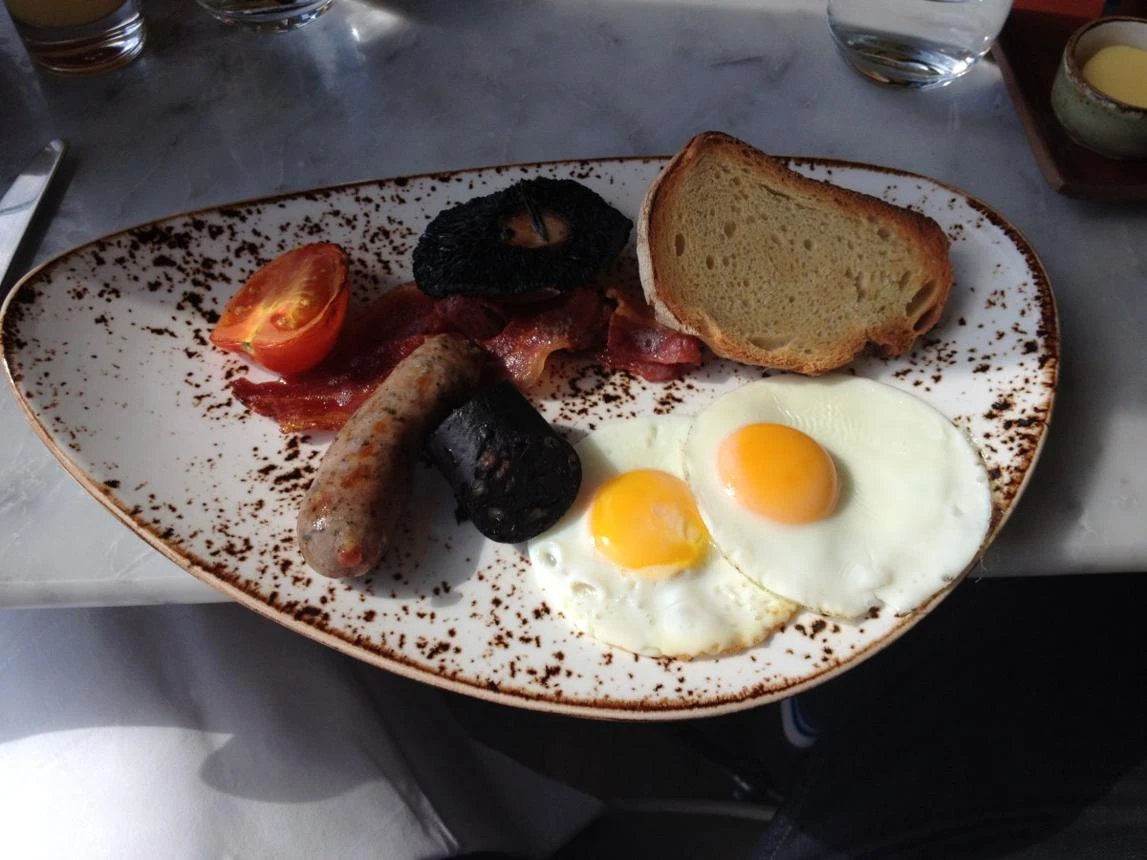
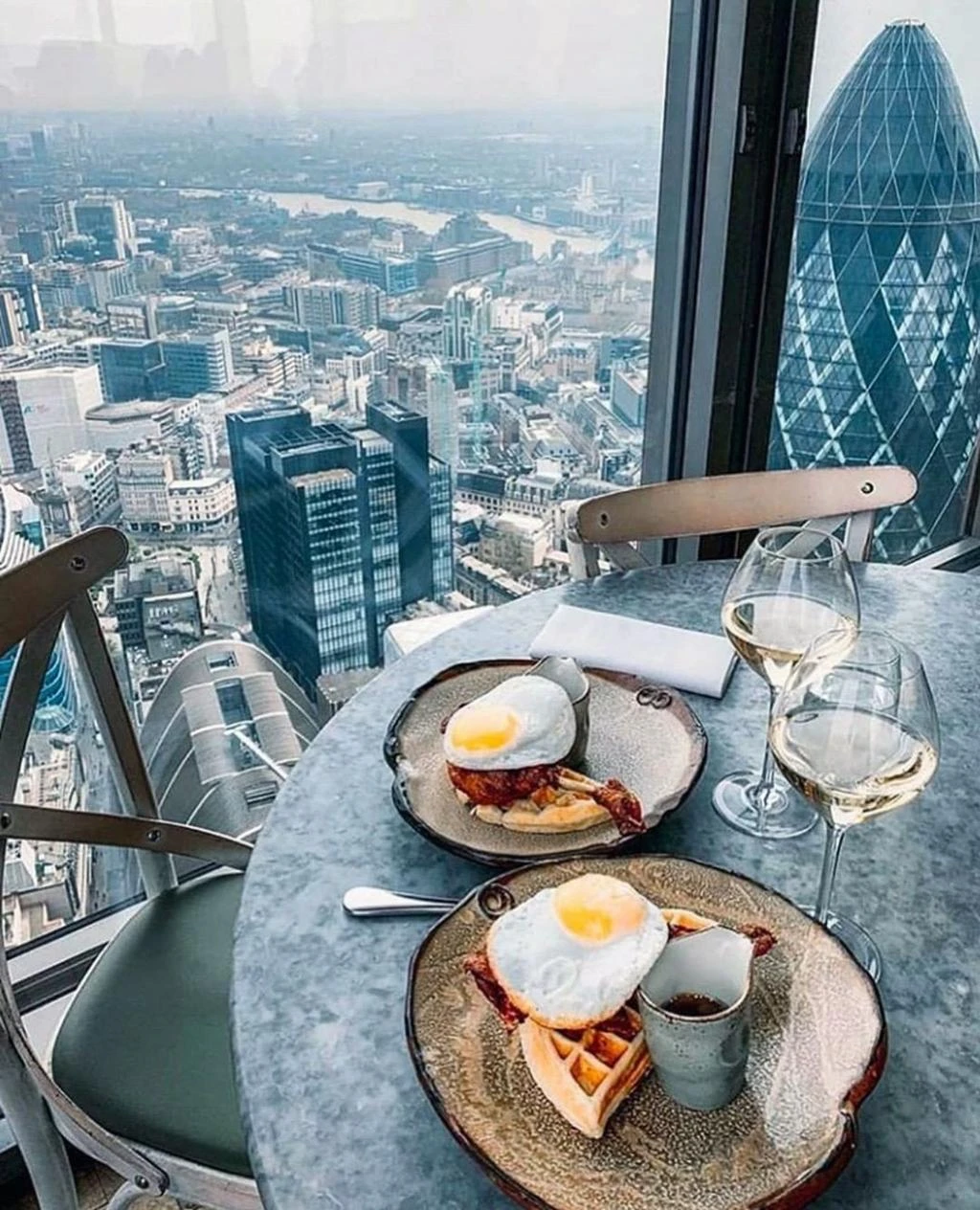
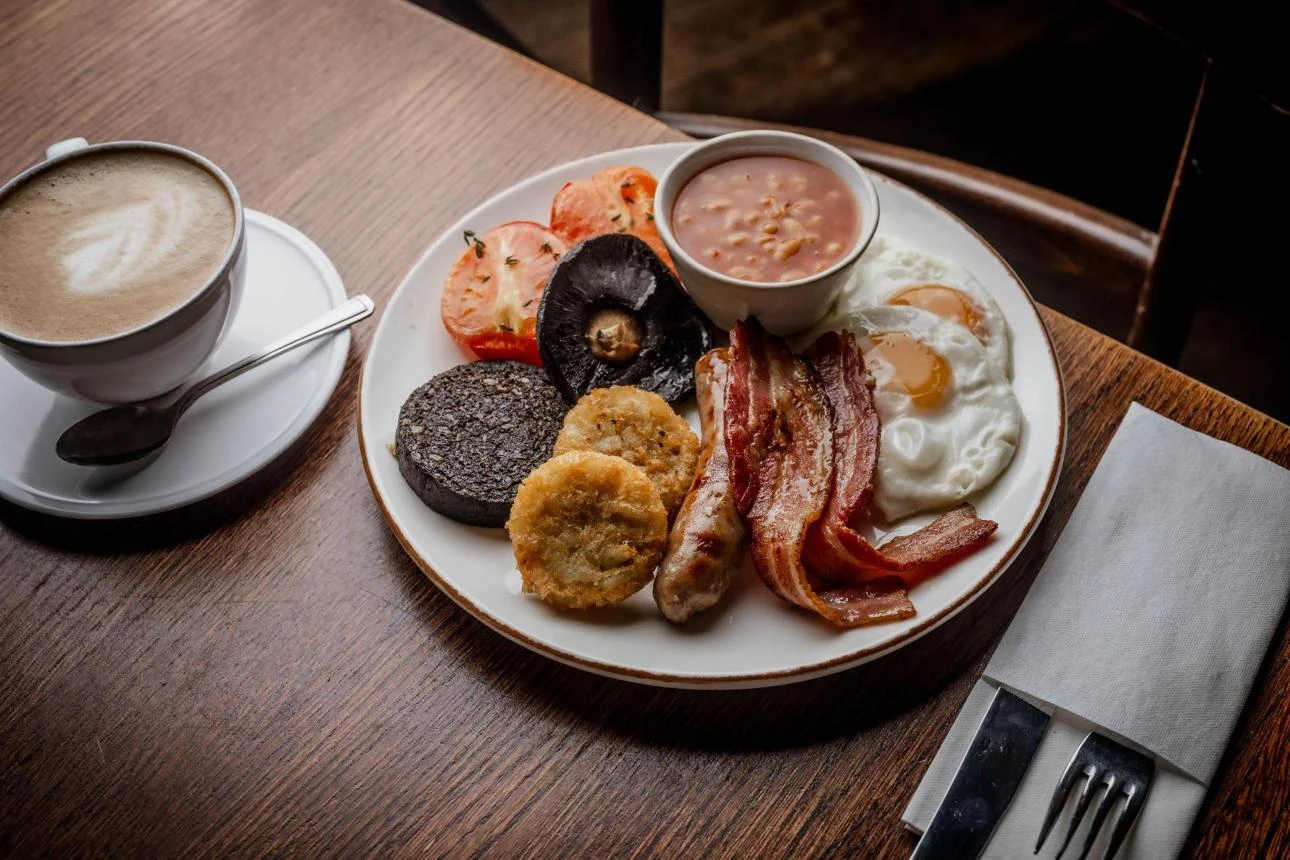
Duck & Waffle takes the Full English to one of the most dramatic breakfast settings in London: the 40th floor of 110 Bishopsgate. The restaurant is open 24 hours a day, and its current breakfast menu includes an English Breakfast with sausage, eggs, bacon, roasted tomato, mushrooms, hash brown, baked beans and a cheese scone. The interesting part is not simply the height. It is the way the restaurant treats breakfast as an all-day London ritual. Traditional components appear in a modern skyscraper alongside international dishes and the restaurant's signature duck-and-waffle combination. In that sense, Duck & Waffle represents a very contemporary stage in the history of the Full English: the familiar breakfast survives, but the setting, schedule and culinary context have changed completely.
Maggie's Café
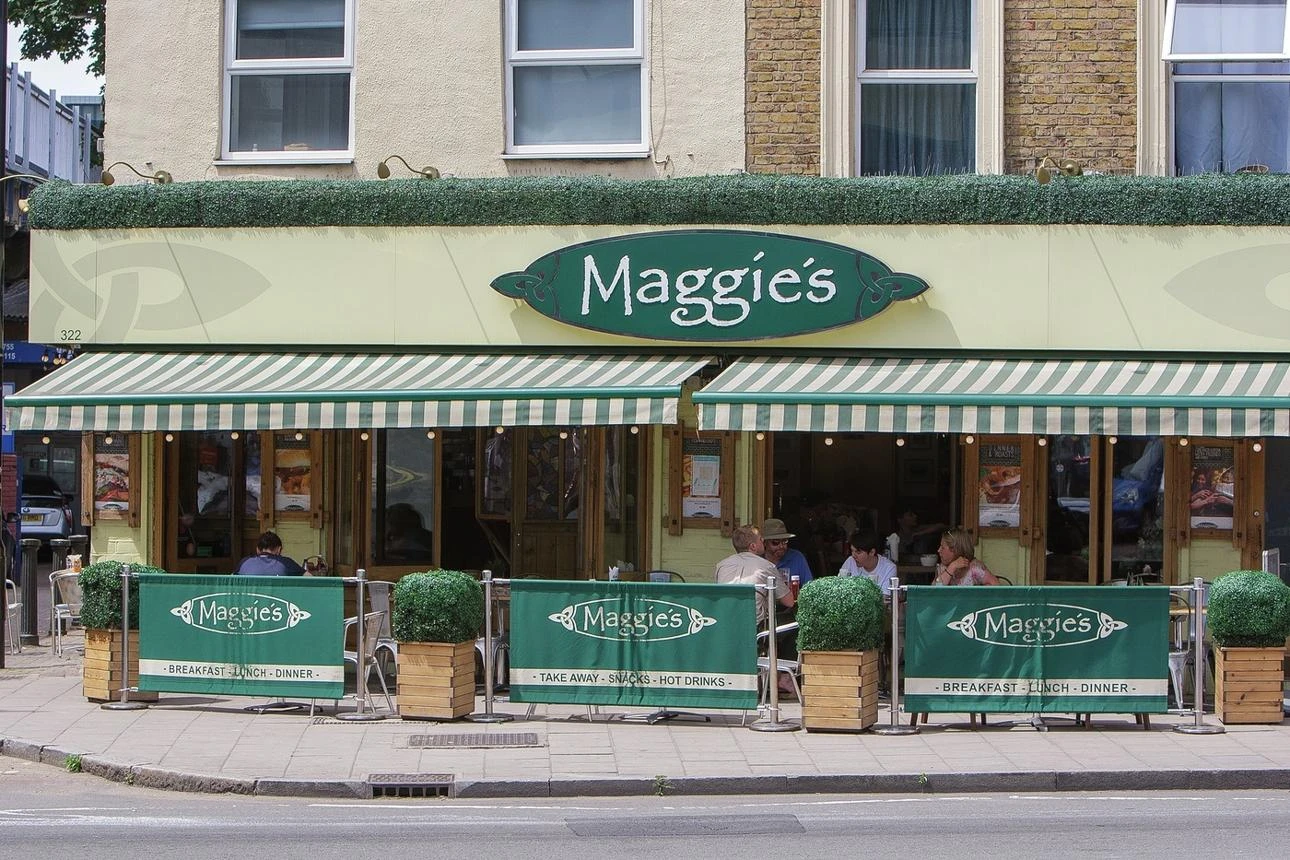
aggie's Café represents another important part of London's breakfast story: the Irish influence on the city's café culture. Rather than offering only a standard English fry-up, the menu can include an Irish breakfast and dishes such as bubble and squeak, alongside traditional tea and substantial cooked breakfasts. That mixture is historically appropriate for London, where Irish migration has been deeply connected with working-class neighbourhoods, construction, transport and hospitality. The Full English was never consumed in isolation from other British and Irish breakfast traditions; variations often depended on the family running the café and the community around it. Maggie's therefore makes sense as part of the larger story because it shows how "English breakfast" in London has always been porous. The same plate can move toward Irish, Scottish or regional British traditions without losing its essential identity as a hearty cooked breakfast.
Heart of Balham
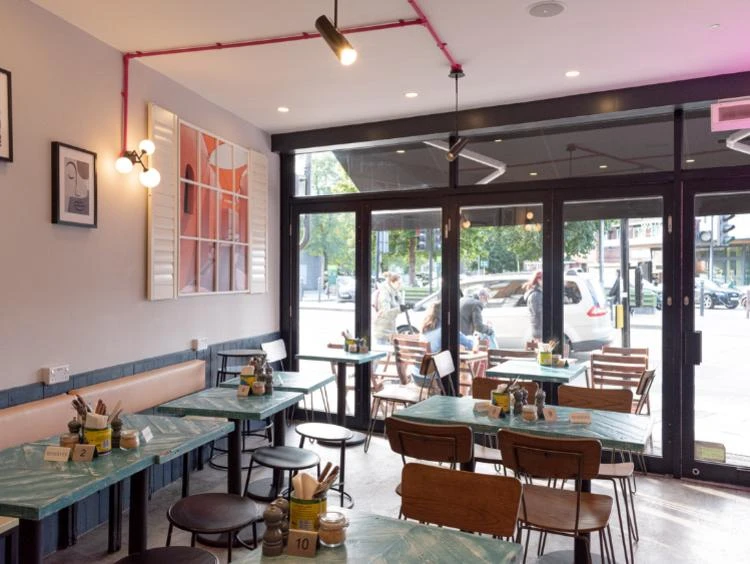
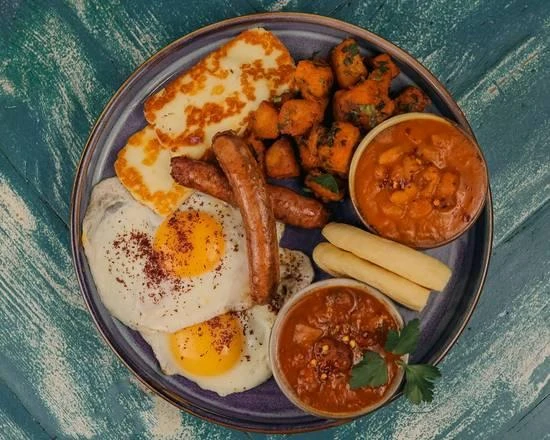
Heart of Balham demonstrates how the Full English continues to adapt to London's multicultural neighbourhoods. The traditional idea of eggs, meat, potatoes and toast is still recognisable, but modern cafés increasingly offer halal options, spiced potatoes and other variations designed for a much more diverse clientele. This is not a rejection of the fry-up tradition; it is precisely how London has historically kept the tradition alive. Cafés were often run by immigrant families who took a British breakfast template and adjusted it to their own tastes, ingredients and customers. Heart of Balham belongs to that ongoing process. The result is a breakfast that can still feel recognisably British while reflecting the neighbourhood around it. For anyone interested in the cultural history of the Full English, these modern adaptations are just as important as the surviving old-school greasy spoons.
The Modern Full English
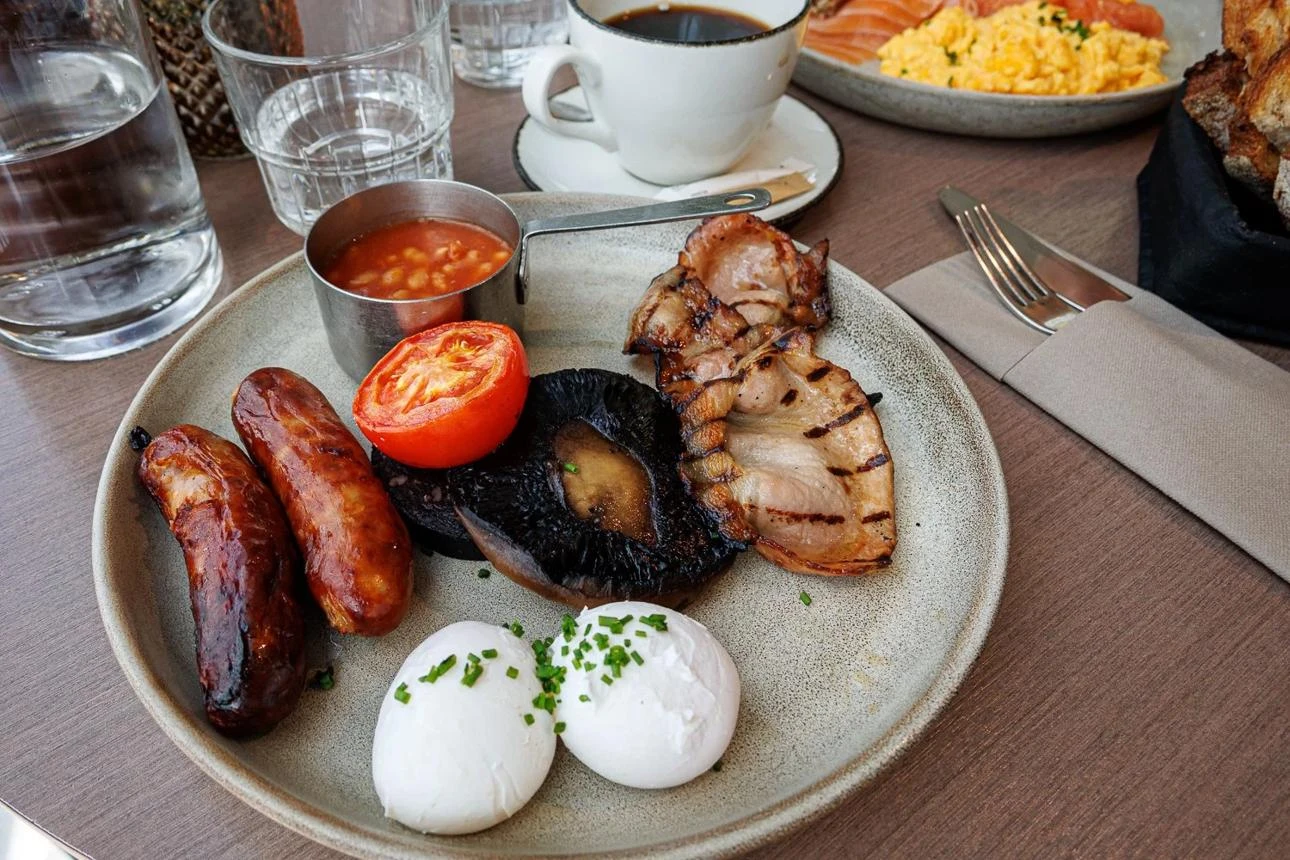
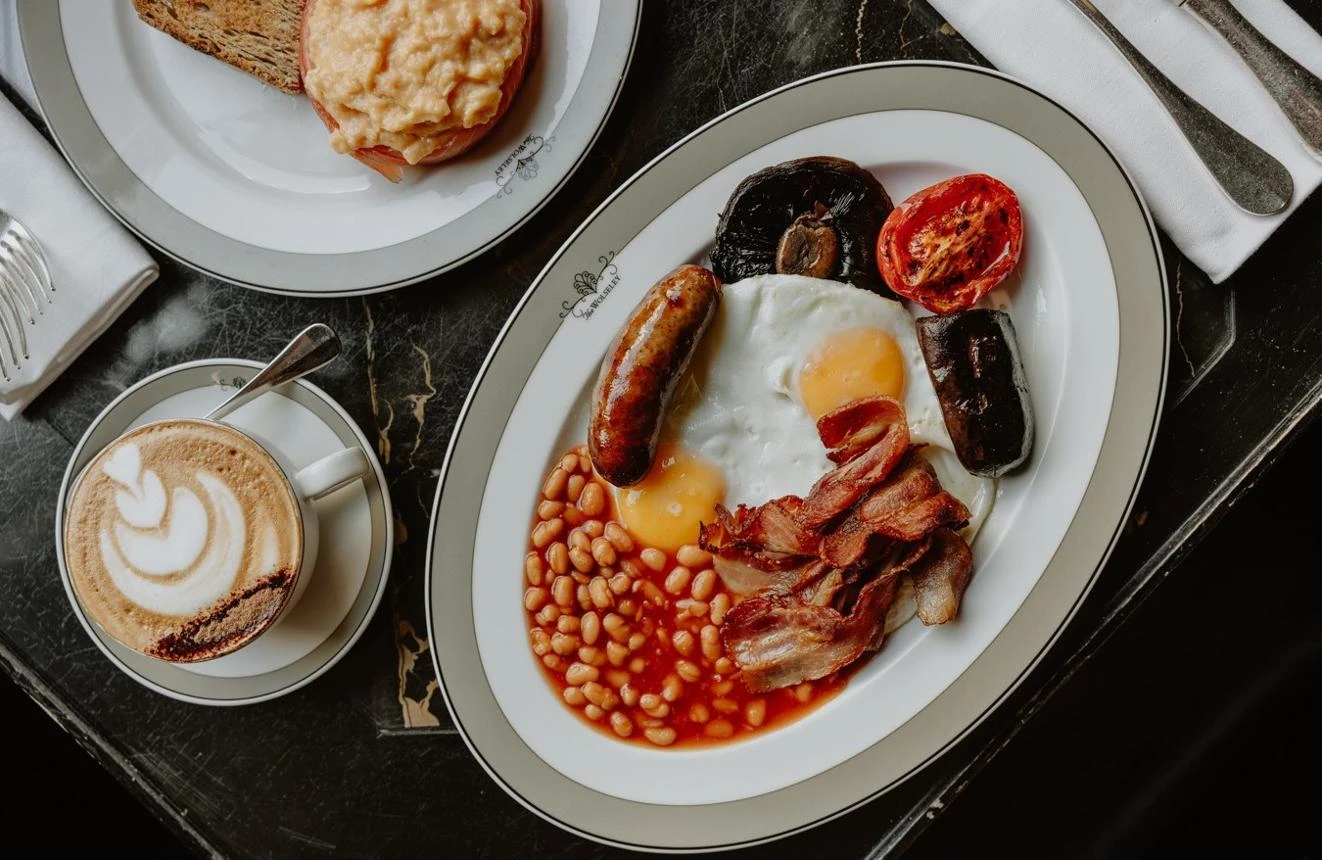
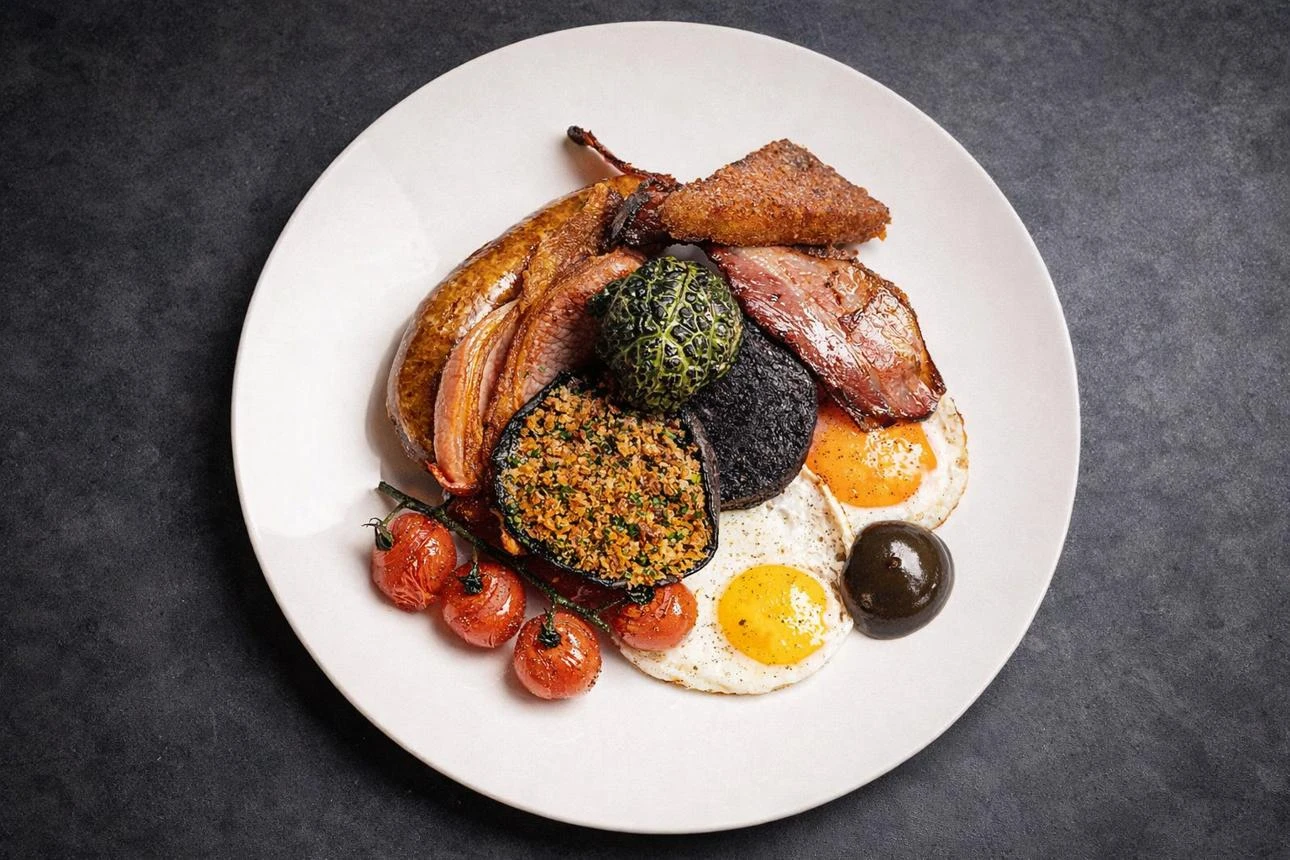
Modern London restaurants increasingly treat the Full English as a template rather than a fixed rule. The basic structure remains recognisable — eggs, bacon, sausage, mushrooms, tomato, beans and bread — but the quality and origin of the ingredients receive much more attention. Restaurants such as Fallow and Duck & Waffle demonstrate two completely different ways of doing this: one through sustainability and contemporary British cooking, the other through a high-rise, international restaurant format. This is not necessarily a break with tradition. The Full English has always changed. Victorian breakfasts were much more varied than the modern standard plate, and the exact combination of ingredients was never permanently fixed. What London is doing today is simply another chapter in that process.
Why the Fry-Up Survived
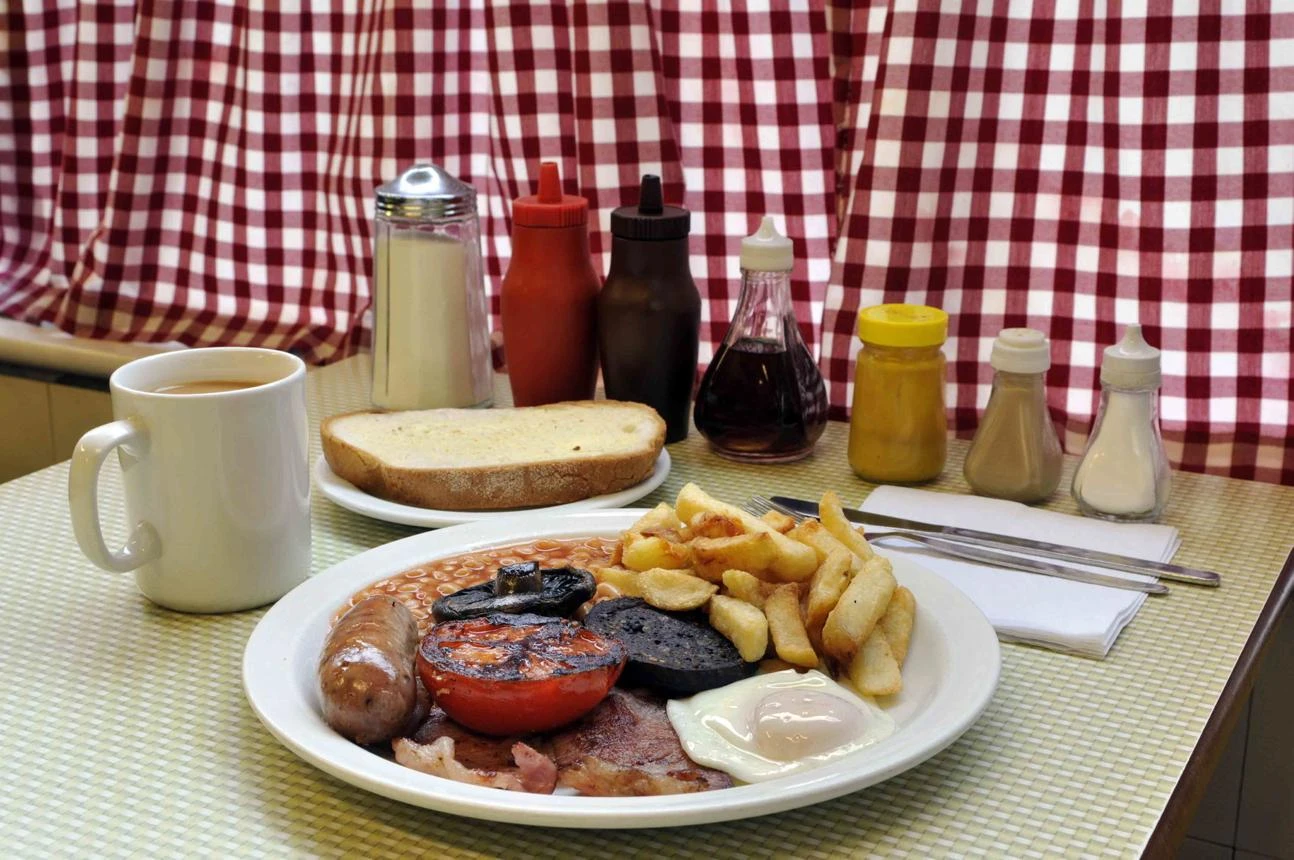
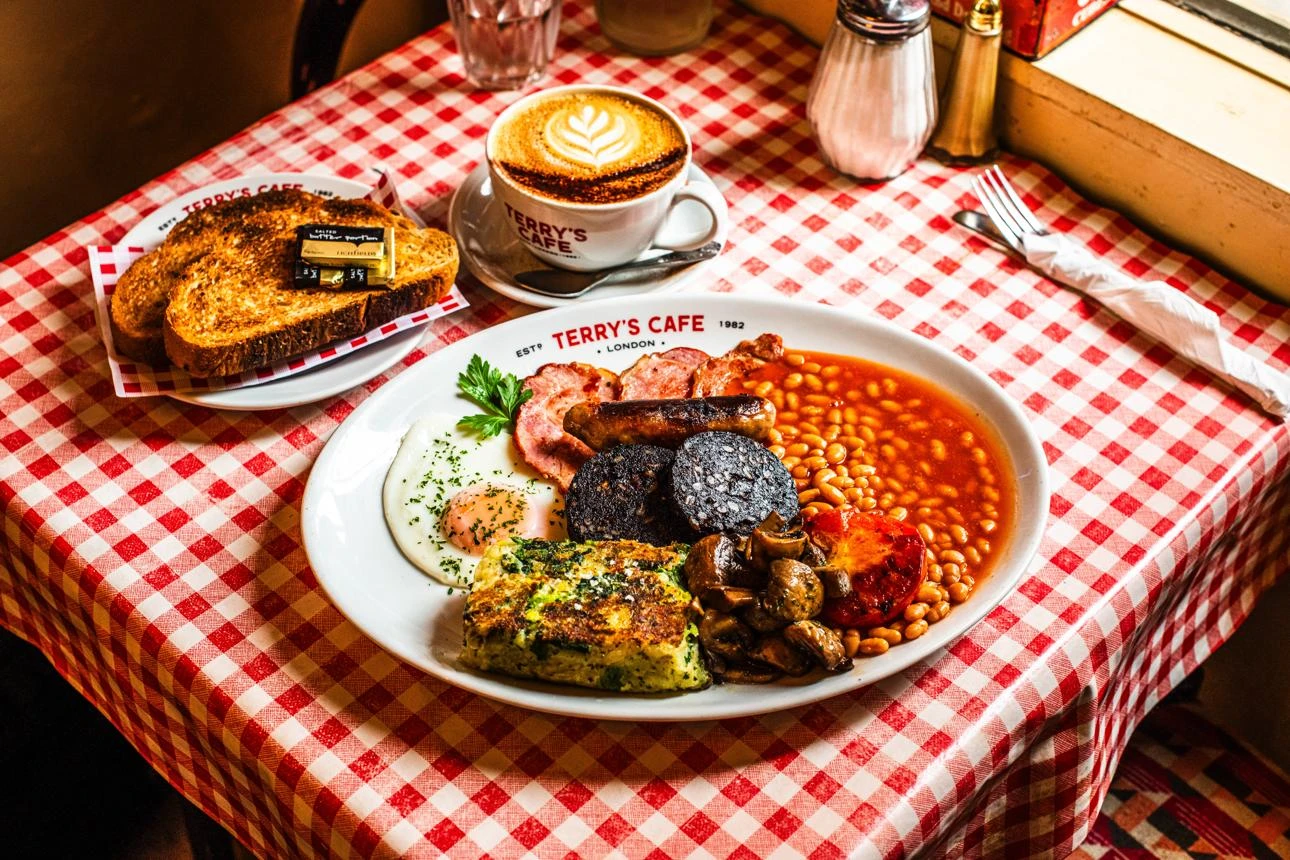
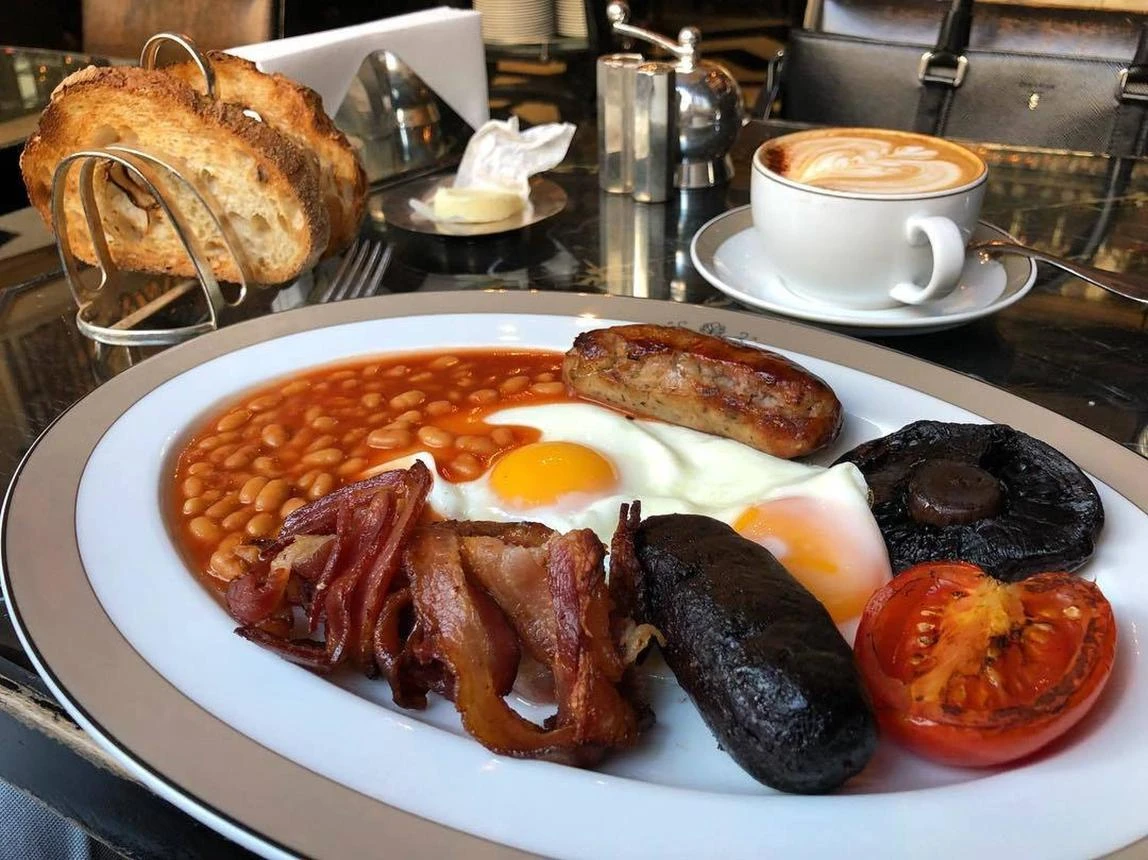
The Full English survived because it can be understood at several levels at once. It is comfort food, working food, hangover food, hotel food, family food and increasingly restaurant food. It can be cheap or luxurious, traditional or experimental, served on a chipped plate or in a grand dining room. Its core ingredients are also unusually adaptable. Bacon and eggs can sit beside beans and fried bread in a greasy spoon, or alongside carefully sourced sausages and artisanal bread in a modern restaurant. That flexibility explains why the dish remains culturally relevant. The English breakfast is less a strict recipe than a recognisable ritual — a cooked meal in the morning that says, very simply, that the day has properly begun.